
Smart Home Upgrades That Increase Property Value in 2026
Table of Contents
A few years ago, a neighbor on my street tried to sell his house. Nice place, solid structure, decent yard. But buyers kept saying the same thing: “It feels a bit outdated.”
Nothing was actually broken. The problem was simpler. The house just didn’t have the kind of features people now expect from a smart home.
That situation has become pretty common lately. Technology has quietly moved from a luxury to something buyers often look for. The good news is you don’t need to transform your house into a futuristic lab to see results. A handful of practical Smart Home Upgrades can genuinely help increase property value — and many of them are surprisingly simple.
From experience, the best upgrades are the ones that improve daily life first. The value boost usually follows naturally.
Why Smart Features Matter More in 2026
Homebuyers today are paying attention to efficiency, convenience, and security. Not just square footage or kitchen finishes. For more practical ideas that improve everyday living, you can also explore our main home tips on the homepage.
I’ve noticed that when people tour homes, they often ask things like:
- Can I control the heating remotely?
- Are the lights automated?
- Does the house have smart security?
These aren’t deal-breakers every time, but they can absolutely influence a buyer’s perception. When a home already includes a few thoughtful home upgrades, it feels more modern and move-in ready.
Another factor is energy cost. Smart devices that reduce power usage tend to appeal to buyers pretty quickly.
Smart Thermostats: Small Device, Big Impact
If someone asked me where to start with Smart Home Upgrades, this is usually the first thing I mention.
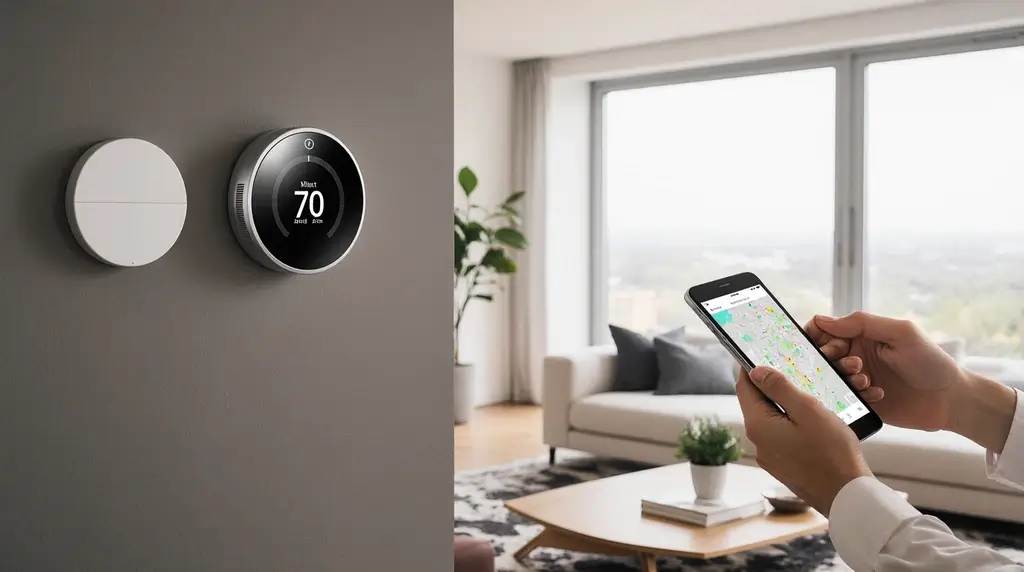
A smart thermostat adjusts heating and cooling automatically based on habits, weather, and schedules. It sounds minor, but the comfort difference is noticeable.
Why it helps property value
Buyers like knowing the home is energy efficient. A smart thermostat signals that the house has already moved in that direction.
From what I’ve seen, people also appreciate the ability to control temperature from their phone. It’s one of those features that feels small until you use it for a few weeks.
A practical tip
Install it properly and show buyers how it works.
One mistake many homeowners make is installing the device but leaving it unconfigured. If the automation isn’t set up, the benefit isn’t obvious.
Smart Lighting That Adjusts to Daily Life
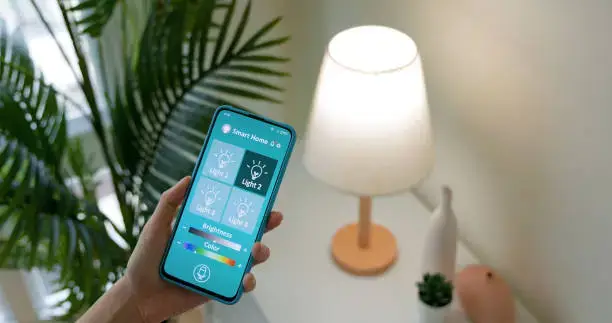
Lighting upgrades don’t always get enough attention, but they can quietly improve how a home feels.
I switched part of my house to smart lighting a couple years ago, mostly out of curiosity. What surprised me wasn’t the technology — it was how often I used the automation.
Lights turn on at sunset. Certain rooms dim in the evening. Outdoor lights shut off automatically at sunrise.
Why buyers like it
A house that manages lighting intelligently feels thoughtful. It’s subtle, but it gives the impression that the home is designed for convenience.
That perception can help increase property value, especially when the setup looks intentional rather than experimental.
Caution
Don’t overdo it.
I’ve walked through homes where every single bulb required an app or voice command. That can feel confusing instead of helpful.
Focus on areas that matter most:
- Entryways
- Living rooms
- Outdoor lighting
- Hallways at night
Those places offer the most noticeable improvement.
Smart Security Systems Buyers Actually Trust
Security has become one of the most common reasons people invest in a smart home setup.
And honestly, it makes sense.
A simple system with cameras, motion sensors, and mobile alerts can make a property feel safer. Even if the buyer eventually changes brands or settings, the presence of the system adds value.
What tends to work best
In most cases I’ve seen, these are the features buyers respond to:
- Smart doorbell cameras
- Motion-detection security cameras
- Mobile notifications
- Smart locks
It doesn’t need to be overly complex.
A clean, well-installed system is usually better than a huge network of devices that are hard to manage.
Smart Irrigation for the Yard and Garden
This one is often overlooked, especially by homeowners who focus mainly on indoor tech.
But if your property includes a yard or garden, a smart irrigation system can be surprisingly appealing.
As someone who spends a lot of time gardening, I can say this upgrade solves a real problem. Watering schedules change constantly depending on weather. Smart irrigation systems adjust automatically.
Why it adds value
Buyers who enjoy gardening like the convenience. Buyers who don’t garden appreciate not having to think about it.
The system monitors soil moisture and weather forecasts, then adjusts watering accordingly.
That saves water and keeps the landscape healthier, which indirectly helps increase property value.
Small caution
Make sure the system is easy to override manually.
Sometimes automated watering schedules don’t match seasonal plant needs.
Smart Garage Door Controls
Garage upgrades rarely get much attention, but they can make a home feel more modern.
A smart garage controller allows the door to be opened or closed remotely through a phone app. It also sends alerts if the door is left open.
At first I thought this was a gimmick. Then I realized how often people forget to close their garage.
Why buyers like it
It solves a common annoyance. That alone makes it valuable.
Another thing I’ve noticed is that buyers appreciate small conveniences that simplify daily routines. Remote garage access fits that category nicely.
Energy Monitoring Systems
Energy monitoring might not sound exciting, but it’s becoming more common in newer homes.
These systems track electricity usage across the house and show where power is being consumed.
From experience, people are often surprised when they see how much energy certain appliances use.
Benefits for property value
A home that provides real data about energy usage feels forward-thinking. Buyers interested in efficiency often see this as a strong advantage.
It also ties into the bigger question many homeowners ask:
How to increase property value without major renovations?
Energy transparency is one answer.
Smart Window Shades and Climate Control
This upgrade isn’t essential, but it can make a house feel noticeably more comfortable.
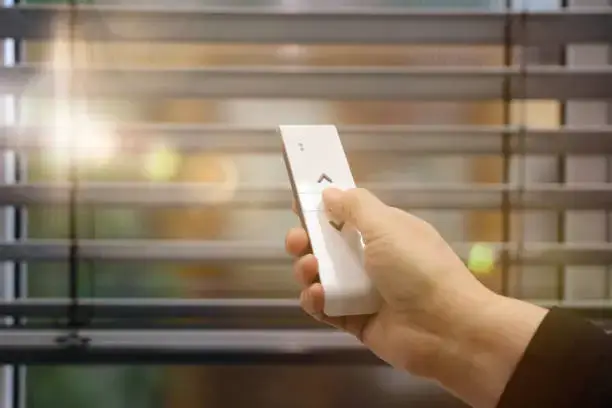
Smart shades adjust automatically depending on sunlight and time of day. They help regulate indoor temperature and reduce glare.
I noticed the biggest difference during summer afternoons. The system lowers the shades before the sun heats up the rooms.
Why buyers appreciate it
Comfort is hard to measure during a short house tour, but automated climate control leaves a subtle impression.
Buyers tend to see it as a thoughtful home upgrade, especially in homes with large windows.
One Upgrade That Often Gets Overlooked
Reliable Wi-Fi infrastructure.
It’s not flashy, but a smart home depends on strong connectivity.
I’ve seen houses packed with smart devices that barely function because the Wi-Fi signal is weak in half the rooms.
If you plan upgrades
Consider installing:
- A mesh Wi-Fi system
- Wired access points in larger homes
- Proper router placement
This quietly improves every other smart feature in the house.
Choosing the Right Smart Home Upgrades
Not every smart device will help increase property value.
The upgrades that tend to work best share a few qualities:
- They solve a real everyday problem
- They are easy to understand
- They don’t require constant maintenance
- They improve comfort, security, or efficiency
When homeowners chase trendy gadgets instead of practical ones, the results can feel cluttered.
In most cases I’ve seen, a small number of well-chosen Smart Home Upgrades works better than installing everything available.
Avoid Turning Your House Into a Tech Puzzle
There’s one mistake that pops up surprisingly often.
Homeowners install several different smart systems from different brands, each with its own app, controls, and interface.
When buyers walk in, they see a complicated setup they’ll have to figure out later.
That can actually hurt the appeal of the home.
A simpler approach usually works better:
- Choose compatible devices
- Keep controls intuitive
- Leave clear instructions for new owners
The goal isn’t to impress people with technology. It’s to make the house easier to live in.
Practical Approach to Increasing Property Value
If someone asked me today how to increase property value using technology, I wouldn’t recommend a massive renovation.
Instead, I’d start with a short list:
- Smart thermostat
- Smart lighting in key areas
- Basic security system
- Smart irrigation if the home has a yard
- Garage door automation
These upgrades don’t require tearing apart walls or spending huge amounts of money.
Yet together they create the feeling of a modern smart home, which many buyers are actively looking for.
A Final Thought
Technology in homes is still evolving, and trends will keep changing.
But the upgrades that hold value tend to follow the same rule: they make daily life easier.
From what I’ve seen over the years, buyers aren’t looking for houses filled with gadgets. They’re looking for homes that feel practical, comfortable, and thoughtfully updated.
When Smart Home Upgrades are chosen with that mindset, they do more than just add features.
They quietly make the entire property feel like it belongs in the present — and that alone can help increase property value in a very real way.
Do smart home features really make a house more attractive to buyers?
Yes, many buyers now expect at least a few modern tech features in a home. Simple upgrades that improve convenience, security, or energy efficiency can make a property feel more updated and move-in ready. While they may not guarantee a higher sale price alone, they often make a home stand out compared to similar listings.