Small Space Storage Ideas That Actually Work
Table of Contents
There’s a point where a room starts feeling crowded even when you haven’t bought anything new. A chair collects clothes, the kitchen counter becomes a holding area, and suddenly a shelf that looked fine a month ago feels overloaded.
Small spaces do that quietly. They don’t usually fail all at once. They just lose breathing room little by little.
I started paying more attention to this when trying to keep gardening supplies, seasonal items, and ordinary daily things in a house that doesn’t have endless cabinets. What helped most was realizing that good storage is less about buying containers and more about understanding where space is hiding.
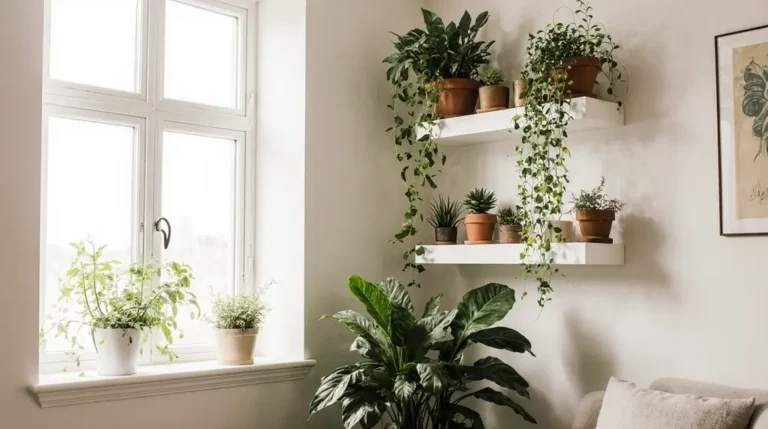
Some Small Space Storage Ideas sound clever but don’t hold up in real life. Others are simple enough that you wonder why you didn’t do them earlier. If you’re trying to make better use of your space, this practical idea can help How to Create a Cozy Indoor Plant Corner Even in Small Home;
Use Vertical Space Before Adding More Furniture
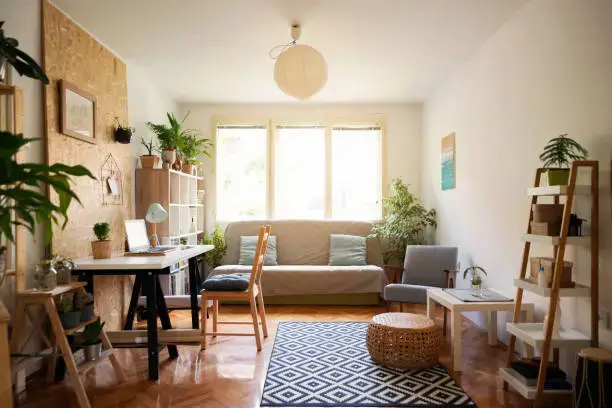
A lot of people focus only on floor space because that’s what feels limited first.
But walls usually have more potential than we think.
In most cases I’ve seen, once vertical space is used properly, a room immediately feels less crowded without actually becoming bigger.
Shelves should go higher than most people expect
Many shelves stop too low, often because people worry they’ll look awkward.
But placing shelves closer to the ceiling works well for things you don’t need every day.
That’s where I keep extra pots, jars, and seasonal storage boxes.
A small caution
Don’t put heavy items too high just because there’s room.
Storage needs to stay practical, not become a balancing act every time you need something.
This is one of the most reliable storage ideas for small spaces because it uses space that usually stays empty.
Under-Bed Storage Works Best When It Stays Simple
Under-bed space often turns into a forgotten zone filled with random things.
That usually makes it less useful over time.
What helped me was separating items by category instead of pushing mixed boxes underneath.
Good things to store there
- Off-season clothes
- Spare linens
- Extra blankets
- Gardening gloves and seasonal tools in flat boxes
Flat containers slide easily and make cleaning easier too.
For true small space storage, hidden areas only work if you can still access them without frustration.
Hooks Solve More Problems Than People Expect
Hooks sound too simple, but I’ve probably gotten more use out of wall hooks than many larger storage pieces.
Especially in places where cabinets are limited.
I noticed that one row of sturdy hooks near the back door removed a lot of clutter immediately.
Places where hooks work well
- Behind doors
- Inside cabinet sides
- Entry walls
- Laundry areas
They hold bags, hats, aprons, lightweight tools, even small baskets.
This falls into practical Space Optimization Ideas because hooks use narrow surfaces that otherwise do nothing.
Storage Baskets Need Clear Purpose
Baskets look tidy at first, but they can become clutter disguised as decoration.
One mistake many beginners make is buying baskets before deciding what they’re meant to hold.
Then everything ends up mixed together.
What works better
Give each basket one job only.
For example:
- Plant care supplies
- Cleaning cloths
- Chargers
- Bathroom extras
From experience, when baskets have clear categories, they stay useful longer.
That matters in ideas for small storage space because hidden clutter still creates stress even if it looks neat.
Furniture That Stores Something Should Earn Its Place
In small rooms, furniture should often do more than one job.
A bench that opens, a side table with shelves, or a bed frame with drawers can quietly solve several storage problems at once.
I noticed that replacing one plain stool with a storage bench near the window freed up an entire shelf elsewhere.
But not every multi-use item is worth it
Some furniture with hidden storage looks good but is awkward to open or too shallow to matter.
If it’s inconvenient, people stop using it properly.
The best Small Space Storage Ideas are the ones you don’t have to fight with every day.
Use Cabinet Doors More Carefully
Cabinet interiors usually get attention, but cabinet doors often stay empty.
That space adds up.
Good uses for inside cabinet doors
- Small spice racks
- Cleaning cloth hooks
- Lid holders
- Measuring spoon clips
I started using one kitchen cabinet door for small gardening scissors and twine because it stayed easy to reach.
This kind of small space storage feels minor until several doors are working at once.
Rotate What You Actually Use
Sometimes storage problems aren’t really about space.
They come from keeping everything equally accessible all year.
That rarely makes sense.
Seasonal rotation helps a lot
In summer, winter blankets move up high.
In cooler months, garden watering tools move to less accessible spots.
I noticed that rotating items by season creates natural breathing room without buying anything.
It’s one of the quieter Space Optimization Ideas that people often overlook.
Narrow Spaces Are Usually Wasted
Those small gaps beside appliances or furniture often stay empty because they look unusable.
But narrow rolling storage can fit there surprisingly well.
Useful narrow spaces
- Beside the refrigerator
- Between washer and wall
- Next to bathroom cabinets
Even a slim pull-out shelf can hold oils, cleaning bottles, or folded cloths.
For storage ideas for small spaces, narrow gaps often become some of the most valuable areas.
Open Shelves Need Limits
Open shelves can help small rooms feel lighter than bulky cabinets.
But only when they stay controlled.
I learned this the hard way after one shelf slowly became a random collection of unrelated objects.
A simple rule that helps
Leave visible empty space between groups of items.
Shelves feel calmer when not every inch is filled.
This matters because visual clutter often makes a room feel smaller even when storage technically exists.
Use Stackable Containers Carefully
Stacking works, but only if lower containers remain accessible.
Otherwise the bottom items disappear for months.
Better stacking habit
Put less-used things underneath and daily items on top.
Transparent containers help too because you immediately know what’s inside.
In most cases I’ve seen, stacked storage fails when boxes all look identical and unlabeled.
That’s where many ideas for small storage space become frustrating instead of helpful.
Small Garden Supplies Need Their Own System
For anyone who keeps indoor plants or small gardening tools, these items spread quickly if they don’t have one dedicated place.
I noticed plant scissors, seed packets, gloves, and ties always ended up in random drawers.
What worked better
A single handled box near the plants.
Everything related to plant care stays there:
- Fertilizer packets
- Small pruners
- Spray bottle
- Extra pots
That way gardening doesn’t quietly take over kitchen storage.
This is one of those practical Small Space Storage Ideas that matters if plants are part of daily life.
Don’t Fill Every Empty Spot Immediately
This sounds obvious, but many people try to use every available corner the moment they notice it.
That can make a room feel crowded fast.
Sometimes empty space is useful because it allows movement and flexibility.
From experience, good storage includes knowing where not to store things.
Labels Help More Than People Admit
Even simple handwritten labels prevent small storage systems from collapsing.
Especially in shared spaces.
I resisted labels for a while because they felt unnecessary.
Then I realized they stopped things from drifting into the wrong places.
For long-term small space storage, clarity matters more than appearance.
A Small Space Usually Needs Fewer Things, Not Just Better Storage
This is the part people often avoid.
No storage method works well if too many unused items stay in circulation.
I noticed that every time storage felt impossible, there were usually several things nearby I hadn’t touched in months.
A practical habit
Before adding new storage, remove a few things first.
Not everything needs a clever solution.
Sometimes the real solution is less volume.
Storage That Works Quietly Lasts Longer
The systems that stay useful are usually the least dramatic.
A shelf placed correctly. Hooks in the right spot. A box that actually gets used.
Not perfect organization. Just practical decisions repeated over time.
That’s why the best Small Space Storage Ideas often don’t look impressive at first.
They simply make everyday life easier without asking for much attention afterward.
What storage mistakes make a small room feel even more crowded?
One common mistake is adding bulky furniture without thinking about hidden storage. Open surfaces also fill up quickly when everyday items do not have a clear place. Keeping only useful pieces and choosing furniture that serves more than one purpose usually makes the room feel easier to manage.
Is it better to store things vertically in a small home?
Yes, using wall height often creates extra storage without taking up floor space. Shelves, hooks, and tall cabinets help organize items while keeping the room more open. This works especially well in kitchens, bedrooms, and entryways where floor space is limited.
How can I keep storage areas organized long term instead of messy again after a few weeks?
The easiest approach is to group similar items together and avoid overfilling each space. When storage is simple and easy to access, it is easier to maintain daily. A quick reset every few days also prevents clutter from building up again.