Organic Pest Control: Natural Solutions Easy That Work
Table of Contents
Introduction: The Shift to Sustainable and Organic Pest Control
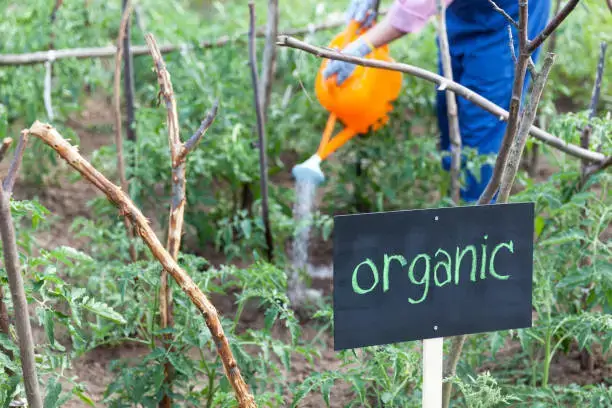
Look, your garden should be a place where you can relax with a cold drink, not a toxic waste zone where you’re afraid to let your kids or pets play. And honestly? In 2026, more of us are realizing that those harsh chemical sprays our parents used to reach for aren’t really the answer. There’s a better way, and it’s called organic pest control.
So what exactly is organic pest control? It’s pretty straightforward, really. Instead of blasting your garden with synthetic chemicals, you’re using natural stuff—think soap, vinegar, essential oils, or even just good old-fashioned physical barriers. The big difference? Regular pesticides are like dropping a bomb on your garden—they kill everything, including the good bugs that actually help you out. Houseplant Pests Organic pest control garden methods work with nature instead of nuking it from orbit.
Why should you care about going organic in 2026? Well, unless you’ve been living under a rock, you’ve probably noticed that pollinators are struggling, soil health is tanking in many places, and we’re all a bit more aware of what we’re putting into the environment. Traditional pesticides contaminate groundwater, mess up entire ecosystems, and are contributing to the whole bee crisis thing. Going the organ pest control route isn’t just trendy—it’s actually necessary if we want our grandkids to have gardens too. For smarter water use in your garden, check out our Rain Gardens: Control Flooding and Help Nature.
Here’s the cool part about taking a holistic approach: When you use natural products, helpful insects, and physical barriers, you’re basically building a garden that can take care of itself. You’re not constantly dependent on buying bottles of chemicals. Plus, you’re way less likely to accidentally poison yourself, your curious toddler, or your dog who thinks everything in the garden is a snack.
Enter Integrated Pest Management (IPM): Don’t let the fancy name intimidate you. IPM is just a smart, organized way to deal with pests by combining different techniques—cultural stuff (how you set up your garden), biological controls (the good bugs), and physical methods (barriers and traps). It’s not about achieving some impossible zero-pest perfection. It’s about keeping things balanced so your garden thrives without becoming a chemistry experiment.
Foundational Strategy: Mastering Integrated Pest Management (IPM)
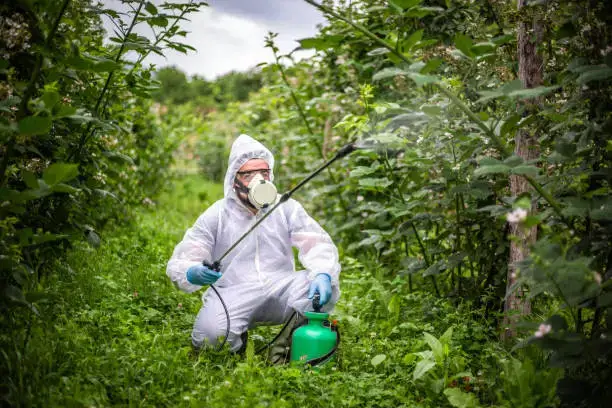
IPM is basically about being smart instead of reactive. You know that friend who waits until their check engine light is flashing before getting an oil change? Don’t be that person with your garden. IPM is about monitoring what’s going on, preventing problems before they start, and only intervening when you actually need to.
The IPM game plan breaks down into three parts: Inquiry, Prevention, and Monitoring
First up, Inquiry means asking questions. Which pest is this exactly? Where does it like to hang out? What’s worked for other people? Here’s the thing—not every bug is your enemy. I can’t tell you how many times I’ve seen people freak out about ladybugs (aphid-eating heroes) or those weird-looking ground beetles (slug egg destroyers). Take five minutes to identify what you’re dealing with before you do anything.
Pest identification seriously matters. That caterpillar munching on your dill might become a beautiful swallowtail butterfly. Wouldn’t you feel terrible spraying it?
Prevention is where the magic happens. Design your garden so pests don’t want to move in. Keep your soil healthy and rich—it’s like feeding your plants vitamins so they’re strong enough to fight off problems. Make sure air can circulate (crowded plants get fungal issues that weaken them). And for the love of all that’s green, don’t leave piles of wet debris sitting around—that’s basically an Airbnb for slugs and disease.
Other prevention tricks: rotate where you plant things each year to confuse pests, clean your tools (seriously, you can spread problems), and don’t bring home infested plants from sketchy nurseries. An ounce of prevention really is worth a pound of organic spray.
Monitoring just means actually looking at your plants regularly. Walk around with your coffee, do a little scouting. Not every chewed leaf requires DEFCON 1. A few aphids? Your garden can handle it. A million aphids turning your roses into Swiss cheese? Okay, time to act.
Companion planting is nature’s pest control hack. Plant certain things together, and they either confuse pests or attract the good guys who eat pests. Marigolds near tomatoes? Pests hate them. Basil near anything? It’s like the bouncer of the herb world—keeps mosquitoes and flies away. Garlic and onions scattered around? Their strong smell masks what pests are actually looking for. It’s brilliant and costs almost nothing.
Top Organic Pest Control Methods by Category
Alright, let’s get into the actual methods you can use. There are four main categories here: biological controls (living things that eat pests), microbial stuff (bacteria and natural sprays), powders and botanical sprays, and physical barriers. Mix and match for best results.
1. Biological and Living Organism Controls
This is where you basically recruit an army of tiny assassins to do your dirty work.
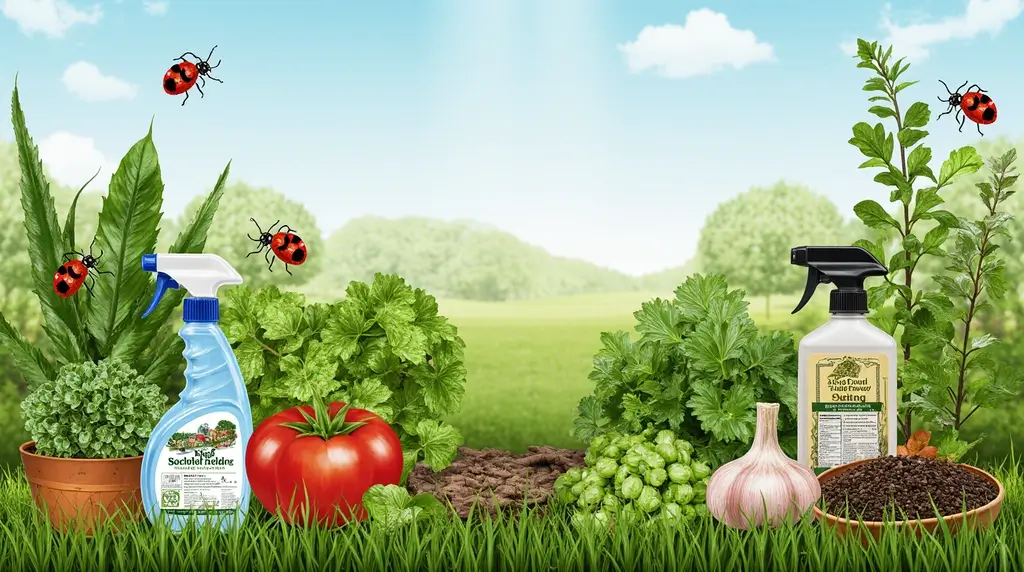
Beneficial insects are your best friends. Ladybugs are the MVPs here—one ladybug can eat up to 5,000 aphids in its lifetime. That’s insane! Green lacewings, parasitic wasps, and predatory beetles are also fantastic.
But here’s the secret nobody tells you: Just buying a box of ladybugs and releasing them doesn’t really work long-term. They’ll fly away to your neighbor’s yard (you’re welcome, Karen). Instead, you need to make your garden so awesome that beneficial bugs want to stick around. Build little bug hotels from hollow stems, give them shallow water dishes with pebbles so they don’t drown, create rock piles for ground beetles to hide under, and plant lots of different flowers. Basically, make it the insect equivalent of a five-star resort.
Beneficial nematodes sound scary but they’re actually microscopic worms that hunt down bad guys living in your soil—grubs, fungus gnats, root weevils. You spray them on the soil, water them in, and they go to work. Best time? Early spring when the soil hits 55°F. They’re like tiny underground mercenaries.
Backyard chickens are amazing pest control… with a huge caveat. They’ll demolish slugs, beetles, and ticks like nobody’s business. But they’re not exactly discriminating. They’ll also scratch up your seedlings and eat your lettuce. Use them strategically or you’ll be running outside yelling “NOT THE TOMATOES!” Trust me on this one.
2. Microbial Control Agents and Natural Sprays
When you need to actually spray something, these are your go-to options that won’t poison the neighborhood.
Bt spray (Bacillus thuringiensis): This is bacteria that makes a protein toxic to caterpillars when they eat it. It’s super targeted—only affects caterpillar-type larvae that munch on treated leaves. BUT (big but here), don’t just spray your entire garden because you can accidentally kill monarch butterfly caterpillars. Only spray the plants that are actually being eaten.
Neem oil is like the Swiss Army knife of organic pest control. It comes from neem tree seeds and works as a repellent, messes with bug reproduction, and even gets absorbed by plants for extended protection. It’s pretty safe for the good guys—bees, beneficial insects, your pets. Some people swear by it, others say it’s a bit overhyped. Either way, it’s way safer than conventional options, so worth trying.
Insecticidal soap is basically fancy soap that penetrates soft-bodied pests like aphids and whiteflies, causing them to dry out. You can DIY this with dish soap, hot peppers, and garlic, but honestly? The store-bought horticultural versions are formulated to not burn your plants, which is nice. Test a small area first though—some plants are sensitive and you don’t want to find out the hard way.
3. Natural Powders and Botanical Deterrents
Diatomaceous Earth (DE) is crushed-up fossilized algae that looks like harmless powder but is actually like broken glass to bugs. It cuts up their exoskeletons and dries them out. Works great on beetles, slugs, snails, and crawling insects. Downside? You have to reapply after it rains. Also, use the food-grade stuff and wear a mask when applying it—you don’t want to breathe in the dust. And yeah, it’ll kill beneficial bugs too if they crawl through it, so use it strategically.
Milky spore is for those annoying Japanese beetles that destroy everything. This powder targets their grubs specifically and lasts for like 15-20 years once it’s established. The catch? It takes 1-3 years to really kick in, and you need soil above 55°F when you apply it. Patience is required, but it’s worth it for long-term control.
Hot pepper and garlic sprays are the “get off my lawn” approach to pest control. Most bugs hate the burn of capsaicin and the stink of garlic. Plus garlic has mild antifungal properties. You’ll need to reapply after rain, and test it on a leaf first because sometimes plants react badly to the heat.
4. Physical, Mechanical, and Exclusion Methods
Sometimes the best solution is the simplest: just block the pests out entirely.
Floating row covers are these lightweight fabrics you drape over plants (or prop up with hoops). They let in light, air, and water but keep out egg-laying moths and beetles. Super effective for things like cabbage moths that need to land on your plants to reproduce. Remove them when you need pollination, or hand-pollinate if you’re feeling ambitious.
Traps are weirdly satisfying. Yellow sticky traps catch tons of flying pests because apparently bugs think yellow is irresistible. Beer traps for slugs are classic—they’re attracted to the yeast, crawl in for a drink, and that’s that. I know it sounds mean, but slugs have destroyed more of my seedlings than I care to count, so I have no sympathy.
Exclusion for your home means sealing up cracks, installing door sweeps, and fixing torn screens. It’s not glamorous but it keeps ants, mice, and mosquitoes out without any sprays or traps needed. Do this once, benefit forever.
Hand-picking is old school but effective. Early morning is prime time because bugs are sluggish. I knock Japanese beetles into soapy water, pluck tomato hornworms (they’re huge and kind of cool-looking in a gross way), and my kids think it’s hilarious. For indoor pests like fleas, a vacuum works great—just empty it immediately into an outside trash can.
Benefits of Sustainable Organic Pest Control
Why go through all this trouble? Well, besides the obvious (not poisoning yourself), there are some pretty compelling reasons. To improve your soil naturally, read our Compostieng At Home: Turn Kitchen Waste into Garden Gold.
Your family stays healthier. Kids are especially vulnerable to pesticide exposure because their bodies are still developing. Do you really want them playing in grass soaked with neurotoxins? I don’t either. Organic methods are just… safer. Your dog can roll around to their heart’s content.
The environment actually benefits. When you skip the harsh chemicals, bees stick around, butterflies visit, birds have safe bugs to feed their babies, and earthworms keep doing their thing in the soil. You’re creating habitat instead of destroying it. Plus, no pesticide runoff getting into streams and groundwater.
Pests can’t become resistant. This is huge. With chemical pesticides, pests develop resistance over time, and then you’re stuck in an endless cycle of buying stronger and stronger stuff. But a ladybug eating an aphid? That works the same way it did a million years ago. Diatomaceous earth physically damaging bugs? They can’t evolve around physics.
It’s cheaper. Yeah, really. Many organic methods use stuff you already have—vinegar, soap, garlic. Companion planting costs the price of seeds. Even beneficial insects, once established, reproduce on their own. Compare that to buying chemical sprays every few weeks when they stop working.
Future Trends and Technology in Organic Pest Management
The future of organic pest control is actually pretty cool and high-tech.
Precision agriculture means using drones, satellites, and sensors to spot pest problems early and target them specifically. Instead of spraying your whole garden “just in case,” technology tells you exactly where the problem is. It’s like having thermal vision for pest hotspots.
Microbial technology is getting really interesting. Scientists are figuring out how to boost the beneficial bacteria and fungi in soil so plants naturally resist pests better. It’s like probiotics for your garden. This stuff is still emerging but it’s going to be huge in the next few years.
Frequently Asked Questions (FAQs)
Q1: What’s the most effective type of organic pest control?
Honestly? The most effective approach is using multiple methods together—that’s what IPM is all about. There’s no magic bullet. But if I had to pick one physical method, floating row covers are crazy effective because pests literally can’t reach your plants.
Q2: Is Neem Oil actually good or just overhyped?
It’s… complicated. Neem oil definitely works as a deterrent and messes with insect reproduction. Lab tests show mixed results—it’s not as powerful as some marketing suggests. But here’s the thing: it’s really safe for beneficial insects and pollinators, which makes it worth using even if it’s not the strongest option out there. I keep a bottle around.
Q3: Does Diatomaceous Earth hurt the good bugs too?
Yep, unfortunately. DE doesn’t discriminate—it’ll damage any bug with an exoskeleton. So don’t just dust your entire garden with it. Use it strategically where you have specific pest problems, and keep it away from flowers where pollinators hang out.
Q4: What’s the real secret to preventing pests organically?
Here’s the truth nobody wants to hear: healthy soil = healthy plants = fewer pest problems. Bugs actually prefer attacking weak, stressed, nutrient-deficient plants. It’s like they can smell vulnerability. Focus on building amazing soil with lots of compost and organic matter, balance your nutrients, and feed the soil food web. Your plants will be strong enough to shrug off most pest damage. It’s not as exciting as spraying something, but it works better than anything else.
Conclusion: The Path to a Planet-Positive Garden
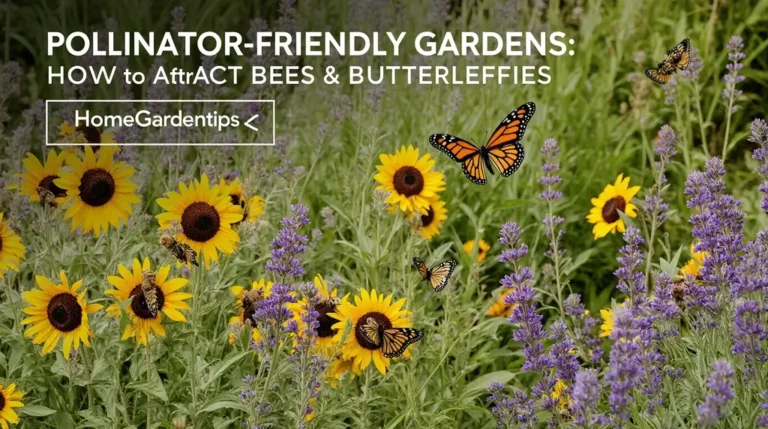
Look, I’m not going to lie—organic pest management takes more thought than just grabbing a spray bottle labeled “KILLS EVERYTHING.” It’s an ongoing process that requires you to pay attention, be patient, and think about your garden as a whole ecosystem rather than just a collection of plants. For more eco-friendly gardening insights, browse the rest of our Pollinator Friendly Gardens: How to Attract Bees & Butterflies.
But here’s what I’ve learned: when you focus on prevention, build incredible soil, and use a mix of biological, physical, and natural controls, your garden becomes resilient. Pest problems become manageable background noise instead of constant crises. And honestly? It’s way more satisfying.
The real secret to pest control is healthy plants in healthy soil. When you invest time in building soil life and plant vigor, pests become a minor annoyance instead of a disaster. Your garden will actually work better, you’ll spend less money and time fighting problems, and you can feel good about what you’re putting into the environment.
Plus, your garden becomes this cool haven for beneficial creatures—you’ll see more bees, butterflies, birds, and helpful bugs. It’s like creating a little nature preserve in your backyard while still growing amazing vegetables and flowers.
Start small. Pick one or two organic methods that sound doable, try them out, see what works for your specific situation. Build from there. You don’t have to be perfect—just better than you were last season.
Your garden can be productive, beautiful, and safe for everyone. Going organic isn’t just the environmentally responsible choice—it’s actually a smarter, more effective way to garden once you get the hang of it. Give it a shot. Your plants (and the planet) will thank you.
Can I really control garden pests without chemicals?
Yes! Many natural methods work effectively, such as introducing beneficial insects, using neem oil, or making homemade sprays from garlic or soap. Healthy plants and good garden practices make natural control even more successful.