7 Modern Garden Design Ideas for a Stunning Outdoor Space
Table of Contents
You don’t need a massive yard or unlimited funds to create something beautiful outside. With a bit of planning and some smart design choices, any space—whether it’s a tiny balcony or a sprawling backyard—can become your own personal retreat.
Modern garden design has shifted toward practicality. People want spaces that look good without demanding endless hours of maintenance. They want sustainability, functionality, and something that actually reflects who they are.
If you’re wondering where to start, these seven ideas will give you a solid foundation. They work for different climates, budgets, and skill levels. Most readers who enjoyed this guide also loved low maintenance small rock garden ideas That Wows — don’t miss it!
Vertical Gardens: When You’re Short on Space
Modern Garden Design
Running out of room? Build upward instead.
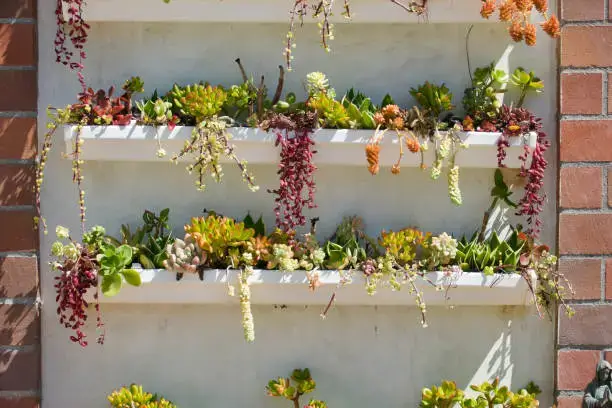
Vertical gardens solve one of the biggest challenges in small-space gardening. Instead of spreading plants across the ground, you stack them on walls, trellises, or custom frames. It’s practical, and frankly, it looks impressive.
I’ve seen people use everything from repurposed wooden pallets to modular wall panels. Herbs do particularly well in vertical setups—basil, mint, and parsley thrive when they’re easy to reach. Succulents work too, especially if you’re dealing with hot, sunny walls.
The real advantage isn’t just aesthetics. Vertical systems make maintenance easier since everything’s at eye level. No more bending down to weed or check for pests. Plus, they naturally improve airflow around plants, which helps prevent disease.
For urban balconies or rooftop spaces, this approach makes the most sense. You get greenery without sacrificing the limited floor space you need for seating or moving around.
Dry Gardens: Less Water, More Character
Water bills add up fast, especially if you’re stuck with a traditional lawn. Xeriscaping—designing gardens that need minimal irrigation—offers a better alternative.
Instead of grass, think gravel, decorative stones, or mulch. Ground covers like creeping thyme or clover give you softness underfoot without the constant mowing and watering. Once established, they pretty much take care of themselves.
Plant selection matters here. Mediterranean herbs—lavender, rosemary, thyme—handle dry conditions beautifully and smell amazing. Succulents add color and texture. Ornamental grasses move with the wind and look good year-round.
The trick is grouping plants with similar water needs together. Mulch helps retain whatever moisture you do provide. Done right, a dry garden doesn’t look barren or neglected—it looks intentional and surprisingly lush.
This approach makes particular sense in regions facing water restrictions or anyone who’d rather spend weekends relaxing instead of dragging hoses around.
Small Water Features: Big Impact, Minimal Fuss
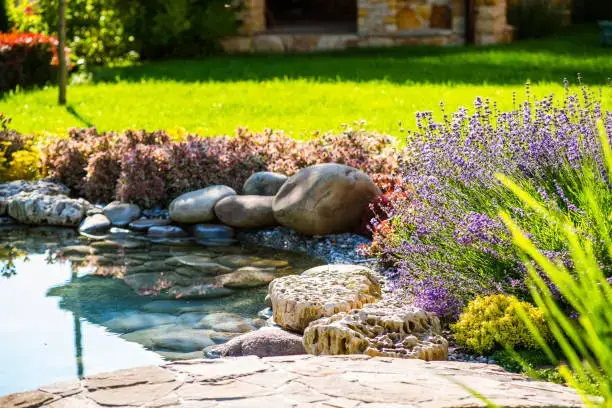
Water instantly changes how a space feels. The sound alone makes everything more relaxing.
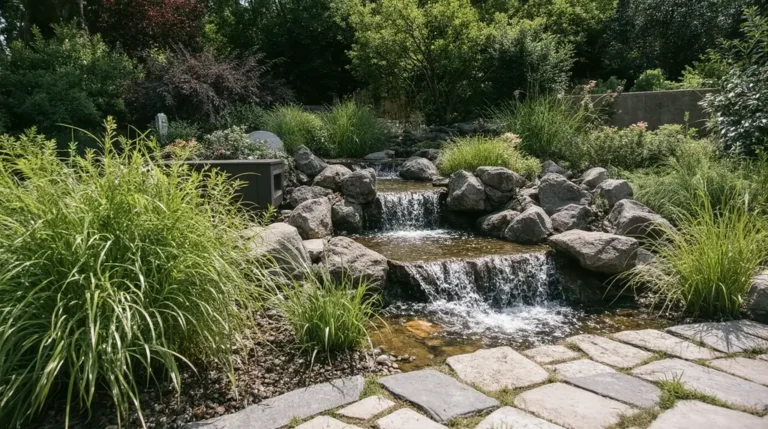
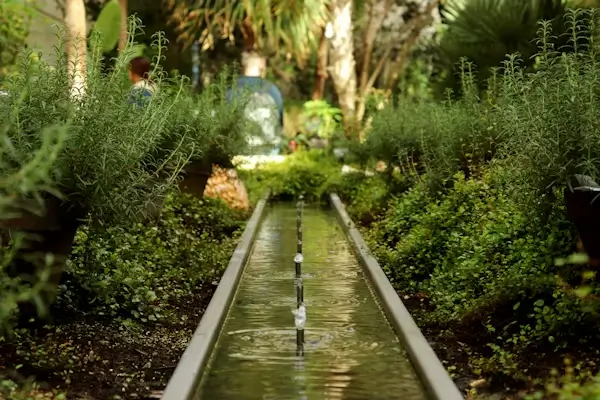
But you don’t need an elaborate pond or waterfall. A simple tabletop fountain on your patio or a shallow birdbath near your seating area does the job. Small recirculating features are easy to install and barely use any electricity.
Wildlife appreciates water sources too. A basic dish or shallow basin will attract birds, butterflies, and beneficial insects. If you’ve got a bit more room, even a half-barrel water garden with a few aquatic plants becomes a natural focal point.
The sound of moving water masks traffic noise and creates a calmer atmosphere. Position your feature where you actually spend time—there’s no point having it in a corner you never visit.
Smarter Lighting: Subtle, Not Blinding
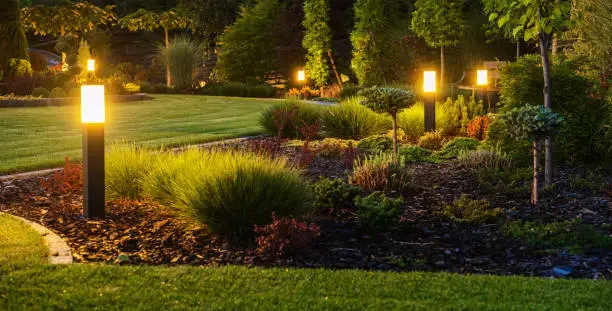
Good lighting extends your garden’s usability past sunset without making it look like a parking lot.
Skip the harsh floodlights. Instead, tuck LED strips under benches or along pathways. Hide small spotlights among plants to create interesting shadows and highlight specific features. Solar-powered stakes scattered through beds provide gentle guidance without complicated wiring. While planning your outdoor space, our guide on Backyard Water Features That Transform Your Space can help you refine your design choices.
Hanging lanterns—whether modern or traditional—add charm and height. String lights overhead create that inviting feeling that makes people actually want to sit outside after dark.
Smart systems give you control over brightness and timing from your phone, but even simple timers work fine. The goal is atmosphere, not illumination for surgery.
Lighting done well feels effortless, like the garden naturally glows rather than being artificially lit.
Comfortable Seating: Make People Want to Stay
Your garden should be a place you actually use, not just admire from inside.
Furniture matters more than people think. Weather-resistant materials—teak, powder-coated aluminum, all-weather wicker—save you from constantly hauling cushions inside or dealing with rust and rot.
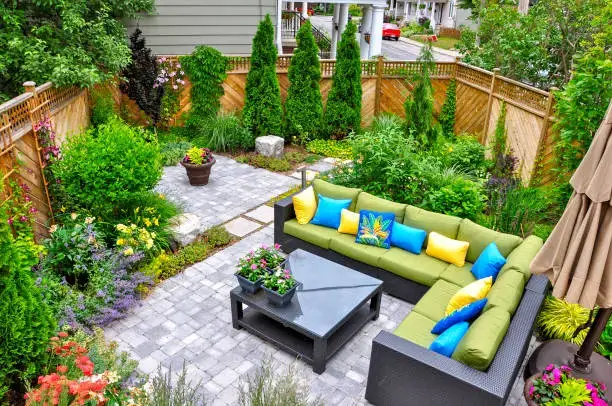
For smaller spaces, folding chairs or stackable seating gives you flexibility. Built-in benches maximize space and can hide storage underneath. Don’t be afraid of color—bright cushions are easy to swap out and add personality.
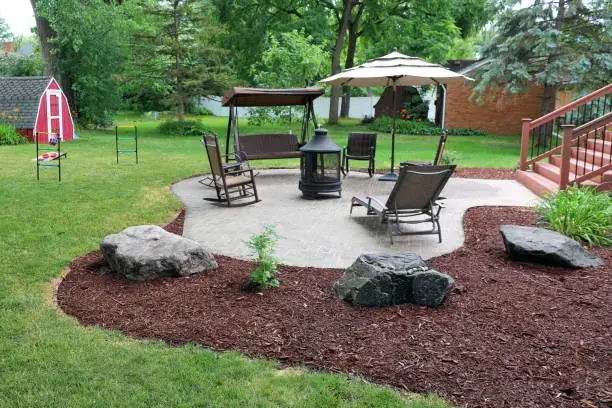
Think about creating different zones. A sunny spot for morning coffee. A shaded corner for afternoon reading. A gathering area near a fire pit for evenings. Outdoor rugs help define these spaces and make them feel more like actual rooms.
The test is simple: if you’re not sitting out there regularly, something’s off. Maybe the chairs are uncomfortable, or you don’t have enough shade, or the view isn’t great. Fix those problems, and you’ll use the space more.
Mirrors: A Simple Trick That Works
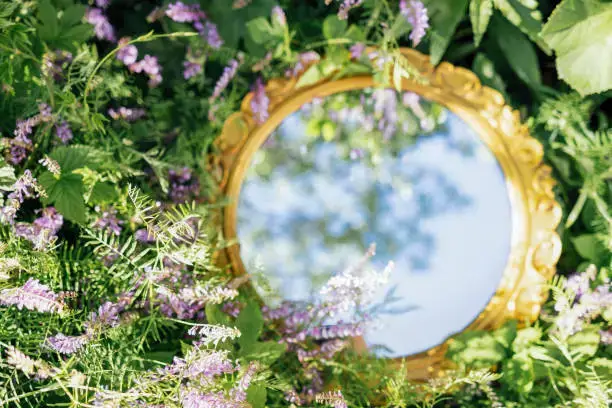
Mirrors in gardens sound odd until you see it done well.
Strategically placed mirrors—weather-resistant ones, obviously—reflect plants, light, and sky. They make small spaces feel larger and add depth where there isn’t much. Position one at the end of a narrow path, and it creates the illusion of an opening to another area.
Frame them so they blend with your style. Rustic wood for cottage gardens, sleek metal for contemporary designs. Angle them slightly downward and partially hide them with climbing plants to avoid confusing birds.
This is one of those tricks that costs relatively little but makes a surprisingly big difference in how spacious your yard feels.
Aromatic and Edible Plants: Gardens That Do More
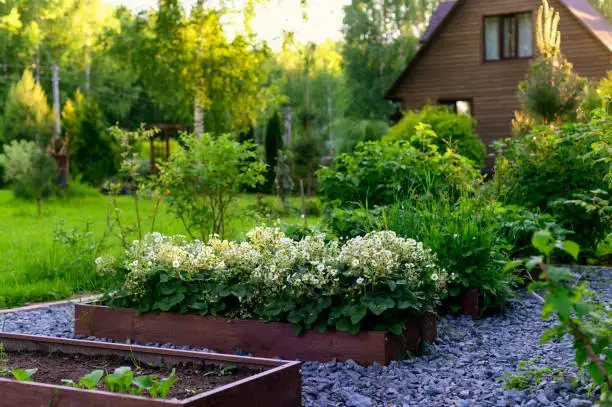
The best gardens engage more than just your eyes.
Herbs near seating areas or outdoor kitchens make sense practically—you can grab fresh basil or mint without running inside. They’re generally low-maintenance once established and provide continuous harvests. Rosemary can be shaped into small hedges. Trailing herbs soften container edges.
For pure fragrance, jasmine or honeysuckle near pathways fills the air on warm evenings. Lavender planted in groups looks striking and attracts pollinators while keeping certain pests away. Scented geraniums release perfume when you brush against them.
Native plants adapted to your area often have aromatic qualities and need less babying than exotic species. They support local wildlife too, which keeps your garden ecosystem healthier overall.
Combining practical herbs with fragrant ornamentals gives you beauty you can smell, touch, and taste—not just look at.
Putting It Together
You don’t need to implement all seven ideas at once. Start with whatever addresses your biggest frustration or appeals most to you. Explore more from our Garden Design & Landscaping category, starting with Shade Garden Design: Best Plants and Layout Ideas
Maybe vertical planting solves your space problem. Perhaps switching to drought-tolerant plants cuts your water bill and maintenance time. Simple lighting might be all it takes to start using your outdoor space after dinner.
Gardens evolve. Plants mature, your needs shift, and you’ll figure out what actually works in your specific conditions through trial and error. The best gardens reflect the people who tend them while working with—not against—their environment.
Your outdoor space can become more than something you occasionally glance at through a window. With some thoughtful design choices, it becomes an extension of your home where you actually want to spend time.
What makes a garden look modern rather than traditional?
A modern garden usually focuses on clean lines, simple shapes, and a more organized layout. Instead of crowded flower beds, it often uses open space, structured plants, and neutral colors. The overall look feels calm and intentional.