
Improve Indoor Air Quality Without Expensive Systems
Table of Contents
You usually notice indoor air when something feels slightly off. A room starts feeling heavy in the afternoon. Dust returns too quickly after cleaning. The bedroom smells stale even though the windows were opened yesterday.
That’s often the point where people start looking at expensive devices and complicated ventilation systems. But in most homes, there are simpler things worth trying first.
I started paying more attention to this when a few houseplants near a sunny window seemed to change how one room felt over time. Not dramatically, just enough to notice that fresh air indoors depends on many small habits, not one big solution.
If the goal is to Improve Indoor Air Quality, the practical answer usually starts with ordinary parts of the home that people overlook every day. Simple changes like this can improve everyday comfort more than people expect How to Save Dying House Plants: Expert Tips That Work.
Fresh Air Still Matters More Than Most People Expect
One of the easiest things people forget is that indoor air needs movement.
A house can look perfectly clean and still trap stale air, moisture, and odors if windows stay closed too often.
From experience, opening windows for even fifteen minutes in the morning helps more than many people assume.
Cross-ventilation works better than a single open window
If possible, open windows on opposite sides of the house.
That creates actual airflow instead of just letting one room sit open.
I noticed that kitchens and bedrooms benefit the most from this because they collect humidity and odors quickly.
A small caution
On very dusty or high-pollen days, timing matters.
Early morning often works better than windy afternoons.
Houseplants Help, But Only When Chosen Realistically
People often expect plants to solve everything. They help, but not in magical ways.
What they really do is slightly improve the feel of a room while adding humidity balance and visual calm.
That matters more than people sometimes admit.
Good plants that quietly support cleaner indoor spaces
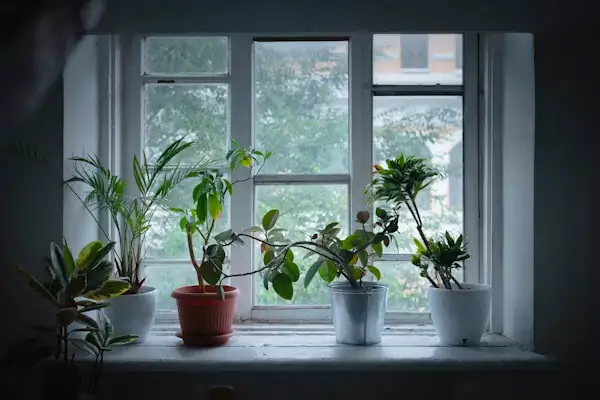
Some of the most practical plants that improve indoor air quality are also the easiest to keep alive:
- Snake plant
- Spider plant
- Peace lily
- Pothos
- Areca palm
These tolerate indoor conditions without constant attention.
I’ve had a snake plant in a hallway corner for years, mostly because it survives neglect better than almost anything else.
One mistake many beginners make
Adding too many plants at once and overwatering them.
Too much damp soil indoors can create the opposite problem: excess moisture and mold.
Dust Builds Faster Than You Think
Dust is one of the most underestimated indoor air problems.
It settles quietly, especially on surfaces you don’t look at often.
I noticed that bookshelves, curtain tops, and ceiling fan blades collect far more dust than tables or counters.
Areas worth cleaning more often
- Fan blades
- Air vents
- Behind furniture
- Window edges
- Lampshades
These places release particles back into the room every time air moves.
Simple cleaning often improves Indoor Air Quality more than buying new gadgets.
Check Air Filters Before Buying Anything New

A clogged air filter quietly affects the whole house.
Heating and cooling systems push dust and stale air when filters are neglected.
From experience, replacing an old filter often changes how a room feels within a day or two.
A realistic routine
Check filters every month, especially during seasons when heating or cooling runs often.
Some filters look acceptable until held up to light. That usually tells the truth quickly.
For many homes, this is one of the easiest indoor air quality solutions available.
Moisture Control Is Just As Important As Fresh Air
Air quality problems are often moisture problems in disguise.
Bathrooms, kitchens, and laundry areas create humidity that stays trapped if not released properly.
That eventually affects walls, fabrics, and even furniture.
Small habits that help
- Run bathroom fans longer after showers
- Keep kitchen lids on boiling pots
- Dry wet cloths fully before leaving them indoors
I noticed that one damp towel left in a closed bathroom changes the smell of the room by evening.
A caution here
Too much moisture invites mold quietly, often before it becomes visible.
That’s why moisture control matters if you want to Improve Indoor Air Quality naturally.
Avoid Heavy Indoor Fragrances
This one surprises people sometimes.
Many strong air fresheners mask odors but don’t improve the air itself.
In some cases they make rooms feel heavier.
I’ve found that lighter approaches usually work better.
Simple alternatives
- Open windows briefly
- Use citrus peels near warm areas
- Keep fabrics clean
- Remove odor sources instead of covering them
From experience, stale smells often come from fabrics more than from the air itself.
Curtains, cushions, and rugs hold more than people realize.
Kitchen Air Needs Attention Every Day
Cooking changes indoor air quickly.
Even simple meals release steam, oils, and particles that stay suspended longer than expected.
Practical kitchen habits
Use the vent hood even for short cooking sessions.
If possible, crack a nearby window slightly.
I noticed that rooms connected to open kitchens stay fresher when air is allowed to move immediately during cooking rather than afterward.
This is one of those basic answers to how to improve indoor air quality that gets ignored because it feels too ordinary.
Rugs and Soft Surfaces Hold More Than You Think
Soft furnishings quietly collect dust, pollen, and moisture.
Even clean-looking rugs can release particles every time someone walks across them.
What helps realistically
- Vacuum slowly rather than quickly
- Shake smaller rugs outside when possible
- Wash cushion covers regularly
In most cases I’ve seen, neglected fabric surfaces affect Indoor Air Quality more than people expect.
Especially in bedrooms.
Let Sunlight Do Part of the Work
Sunlight helps more than just plants.
Bright rooms dry faster, smell fresher, and feel less stale overall.
I noticed that rooms with regular morning light almost always feel cleaner even before cleaning starts.
A simple habit
Open curtains early, especially after cooler nights.
It helps reduce moisture buildup and supports airflow naturally.
Among low-cost indoor air quality solutions, sunlight often gets overlooked because it doesn’t feel technical.
But it matters.
Soil and Plant Care Affect Indoor Air Too
Since many people add plants for better air, the soil itself deserves attention.
Wet, compacted soil can smell musty if drainage is poor.
That affects nearby air more than the plant helps.
Practical plant care
- Use pots with drainage holes
- Empty standing water from trays
- Let soil dry slightly between watering
Healthy plants help a room feel fresher. Neglected soil does the opposite.
That’s why plants that improve indoor air quality still need balanced care.
Bedrooms Usually Need the Most Attention
Bedrooms often stay closed longer than other rooms.
That means air becomes stale faster overnight.
I noticed this especially in winter when windows stay shut longer.
Easy changes
- Air out bedding regularly
- Open the room briefly each morning
- Avoid storing damp laundry there
Even ten minutes of airflow changes the room noticeably.
For people asking how to improve indoor air quality, bedrooms are often the best place to start because the difference becomes obvious quickly.
Be Careful With Hidden Dust Sources
Some air problems come from places nobody checks often.
Behind beds, under sofas, and under large cabinets collect dust for months quietly.
Then every movement sends particles back into the room.
A realistic schedule
Move larger furniture occasionally, not constantly.
Even seasonal cleaning makes a difference.
This kind of simple attention often improves Indoor Air Quality more than expensive equipment.
Small Changes Usually Work Better Than Big Purchases
There’s a common idea that better indoor air requires expensive systems.
Sometimes advanced systems help, especially in specific situations. But for most homes, daily habits matter first.
Fresh air. Clean filters. Controlled moisture. Healthy plants. Less trapped dust.
That combination usually does more than people expect.
From experience, the homes that feel freshest aren’t always the ones with the newest devices.
They’re usually the ones where small things are handled regularly.
And once those habits settle into daily life, the air simply feels easier to breathe without much effort.
Can everyday cleaning habits really make indoor air feel fresher?
Yes, regular cleaning can reduce a surprising amount of dust and airborne particles. Vacuuming soft surfaces, wiping shelves, and washing fabrics like curtains or cushion covers helps prevent buildup that often affects the air inside a home. Even small habits done consistently can make rooms feel noticeably cleaner.
Does opening windows help if outdoor air is not always perfect?
In many cases, short periods of ventilation still help refresh indoor spaces. Opening windows when outdoor traffic is low or early in the morning can improve airflow without bringing in too much outside pollution. Cross-ventilation for even a few minutes can help remove trapped indoor odors and moisture.
Are indoor plants enough to make a real difference in air quality?
Plants can help create a fresher atmosphere, but they work best as part of a bigger routine. They may support humidity balance and improve how a room feels, but they cannot replace ventilation or regular cleaning. Choosing healthy plants and avoiding overwatering is also important to prevent mold.