how to take care of aloe vera plant
Table of Contents
The Secret Language of the Aloe Vera Plant
So your aloe vera’s turning yellow, huh? Don’t panic—it’s just trying to tell you something! Think of it like your plant’s version of sending an SOS signal. Aloe Vera (Aloe barbadensis, if you want to get fancy) has this awesome reputation for being practically indestructible. It’s that cool desert plant everyone swears by for burns and skincare, and honestly, it’s one of the easiest houseplants you can have. But here’s the thing—even the toughest plants need a little TLC sometimes.
Those yellow leaves? They’re basically your aloe’s way of crying out, like a baby letting you know something’s wrong. Maybe you’ve been a bit heavy-handed with the watering can (guilty as charged!), or perhaps the lighting situation in your apartment isn’t quite cutting it. Whatever’s going on, those yellowing leaves are your plant’s not-so-subtle way of saying, “Hey, a little help here?”
Good news is, I’m gonna walk you through everything you need to know about how to take care of aloe vera plant. We’re talking all nine reasons why your plant might be throwing this yellow tantrum—overwatering, wonky lighting, temperature drama, soil issues, pot problems, natural aging (yep, plants get old too), nutrient stuff, and environmental shock. Plus, I’ll give you the actual fixes that work. For more tips on keeping your plants healthy, check out our Houseplant Pests: How to Identify and Eliminate Them Naturally.
Diagnosing Aloe Vera Yellowing – The 9 Primary Causes and Fixes
1. The Most Common Mistake: Overwatering and Root Suffocation
What’s Going On: Okay, real talk—overwatering is hands-down the #1 killer of succulents. Your aloe’s ancestors lived in the desert where it barely rained, so when you drown it with love (aka too much water), you’re basically giving a camel an Olympic swimming pool. Not helpful!
What to Look For: Your leaves go from a nice healthy green to this sad, pale yellow color. They get all limp and wilted even though the soil’s soaking wet (weird, right?). The leaves might even feel squishy and waterlogged—sometimes they’ll literally ooze if you squeeze them (gross, I know). And that soil? It’ll stay wet forever and start smelling kinda funky.
How to Fix It (The “Finger Test”): Here’s your new best friend for aloe vera plant care: stick your finger about two inches into the soil. Feels dry and crumbly? Water time! Still damp? Leave it alone for a few more days. Pro tip: it’s way better to underwater a succulent than to overwater it. Trust me on this one.
The Scary Part: This overwatering thing can lead to root rot, which is basically a death sentence for your plant. Once those roots start rotting, it’s really hard to save them. So yeah, go easy on the watering can!
2. Incorrect Light Intensity: Sunburn or Stretching
What Your Aloe Actually Wants: Bright, indirect light is the sweet spot. Think of it like the plant equivalent of a nice shady spot at the beach—you get the light without getting fried.
Problem A: Not Enough Light: When your aloe’s stuck in a dark corner, the leaves start going from green to this pale, sickly yellow. Even worse, the stem gets all leggy and starts bending toward whatever light it can find (it’s called etiolation, but basically your plant’s doing yoga trying to reach the sun). It looks pretty sad, honestly.
The Fix: Gradually move your plant to a brighter spot over about a week or so. Don’t just yank it from darkness to full sun—that’s like going from a cave to the beach without sunscreen. Give it time to adjust!
Problem B: Too Much Light (Ouch!): On the flip side, too much direct sun will literally sunburn your aloe. This happens a lot when people move their indoor plants outside without thinking it through.
What to Look For: The leaves might turn reddish or bronze, and the tips start going brown and crispy. Basically, your plant got a sunburn just like you would.
The Fix: Give it some shade or scoot it back from that blazing window. Your aloe will thank you!
3. Temperature Stress and Cold Damage
Here’s the Deal: Aloe vera can handle heat like a champ (desert plant, remember?), but cold? Nope. Anything below 40°F and you’re looking at serious damage.
What Happens: When it gets too cold, the water inside the plant’s cells actually freezes and expands, which ruptures everything. The result? Yellow, limp, mushy leaves that fall apart when you touch them. It’s pretty much game over for those leaves.
The Fix: Keep your aloe somewhere between 65–80°F. During winter, move it away from drafty doors, windows that are always opening, or those old single-pane windows that let in all the cold air. Basically, if you wouldn’t want to stand there in your pajamas, your plant doesn’t want to be there either!
4. Soil and Drainage Issues (The Foundation of Health)
What You Need to Know: Good drainage is everything when it comes to aloe vera plant care. These guys need soil that drains fast—like, really fast.
The Wrong Move: Regular potting soil is way too heavy and holds onto water like a sponge. It’s basically sentencing your plant to a slow, soggy death. Don’t do it!
The Right Move: Grab some cactus or succulent soil from the store—they make this stuff specifically for plants like yours. Want to DIY it? Mix one part regular stuff (peat moss or coconut coir) with two parts chunky drainage stuff (coarse sand, perlite, pumice—you get the idea). The goal is lots of air pockets so water drains through quickly.
Pot Talk: Get a small pot (4-5 inches for baby aloes) and make sure it has drainage holes. I can’t stress this enough—NO drainage holes = guaranteed yellow leaves and sad times.
5. Incorrect Pot Size or Type
Too Big Isn’t Better: Here’s a mistake I see all the time—putting a tiny aloe in a huge pot. Seems generous, right? Wrong! All that extra soil around the roots stays wet forever, and before you know it, you’ve got yellow leaves and problems.
Pot Material Matters: Ceramic pots look gorgeous (I love them too!), but they hold more moisture than plastic ones. If you’re going ceramic, make absolutely sure it’s got plenty of drainage holes, or you might want to use an even chunkier soil mix to compensate.
6. Natural Aging and New Growth Cycles
Totally Normal Stuff: If your aloe vera plant is pumping out tons of new growth in the center, it’ll sometimes ditch its older, lower leaves. They turn yellow and wither—it’s just the circle of life, plant edition.
What to Do: Just grab some clean scissors or a sharp knife and trim off those old leaves near the base. It’s like getting a haircut—totally normal maintenance!
New Baby Leaves: Sometimes the brand-new leaves growing from the center start out yellow or pale green. Don’t freak out! Once they get some light and mature a bit, they’ll green up just fine.
7. Nutrient Deficiency (Less Probable Cause)
The Clues: If your plant’s not getting enough nitrogen, the older bottom leaves usually turn yellow first. Not enough iron? The new leaves go yellow but the veins stay green (looks pretty weird, actually).
Reality Check: Honestly, this isn’t super common if you’re repotting your aloe every couple of years. Fresh soil has plenty of nutrients for these slow-growing plants.
If You Need to Feed It: Give it a diluted houseplant fertilizer once or twice in spring and summer—that’s the growing season. You can also get creative with DIY stuff like banana peel tea (potassium boost!) or crushed eggshells (calcium) if you’re into the natural approach. Just remember—less is more with aloe!
8. Sudden Environmental Changes (Stress Response)
The Problem: Moving your aloe from a comfy indoor spot to the great outdoors without any warning is like throwing someone into a cold pool—shocking! Plants get stressed too.
What You’ll See: Yellow leaves are usually the first sign your plant’s freaking out about the sudden change.
How to Do It Right: Take about a week to 10 days to transition your plant. Start in a shaded outdoor spot, then gradually move it into brighter areas bit by bit. Think of it as letting your plant get used to its new home slowly.
9. Overfertilization (Chemical Burn)
The Deal: Aloe vera doesn’t need much food, so when you go overboard with fertilizer or use it too strong, you basically burn the roots. Not fun for anyone!
Warning Signs: The leaf tips start yellowing first, then it spreads inward. You might also see brown, crispy edges and the plant just stops growing.
Emergency Fix: Flush the soil really well with water to wash out the excess fertilizer salts. Then leave the plant alone—no feeding for several months. When you do fertilize again, always dilute it to half-strength or even less. Remember, these guys are desert survivors—they’re used to surviving on basically nothing!
Beyond Yellowing – Essential Care for Thriving Aloe Vera
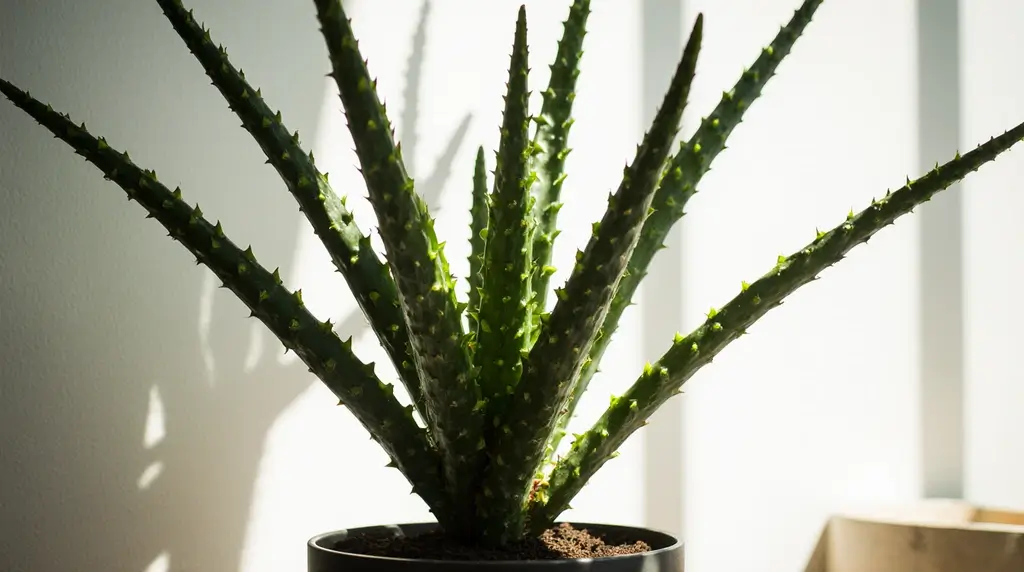
Optimal Watering Schedule by Season
Learning how to take care of aloe vera plant means understanding that seasons matter! Your plant doesn’t need the same amount of water year-round.
Spring and Summer (Growing Time): When it’s warm and sunny, watering about once a week usually does the trick. But honestly? Always check the soil first instead of just following a schedule blindly. Every home’s different!
Winter Months: Cut back to about once every two weeks. Your plant basically goes into chill mode when there’s less light, so it doesn’t need as much water. Think of it like your aloe taking a winter nap.
Repotting and Propagation Techniques
When to Repot: Time for a new home when you see roots poking out the drainage holes, when your plant keeps tipping over because it’s too top-heavy, when the soil looks old and broken down, or when you’ve got a million baby plants (pups) crowding the pot.
Making Baby Aloes (The Fun Part!)
Aloe vera is super generous with baby plants, and propagating them is honestly pretty easy:
- Wait until those pups are at least 2–3 inches tall (patience, friend!)
- Gently take the whole plant out of its pot
- Find where the baby’s roots are and carefully separate it from mama plant without yanking or breaking anything
- Let the baby sit out for a day or two so the cut part can dry and form a callus (like a scab)
- Plant it in a small pot with that well-draining succulent soil we talked about
- Water just a little bit and make sure it drains completely
After You Separate Them: Put your new baby plant in a bright window (but not direct sun just yet). Water way less than you would a mature plant—these babies are still establishing themselves. Should take about 2-4 weeks for the roots to really get going. If your pup didn’t have any roots when you separated it, you can dip the bottom in rooting hormone before planting to give it a boost.
Identifying a Healthy Aloe
What to Look For: A happy aloe vera plant has leaves that are vibrant green, nice and plump with water stored inside, and feel firm when you give them a gentle squeeze. They should bounce right back, not stay squished.
How It Should Grow: Healthy leaves grow upward or outward at an angle (think 45 degrees-ish from the center). They definitely shouldn’t be lying flat or drooping down—that’s a red flag!
Uh-Oh Signs: If the leaves look thin, curled up, or wrinkled, your plant’s running low on its water reserves. Time to adjust your watering schedule or check if something’s wrong with the roots.
Advanced Troubleshooting and Long-Term Wellness
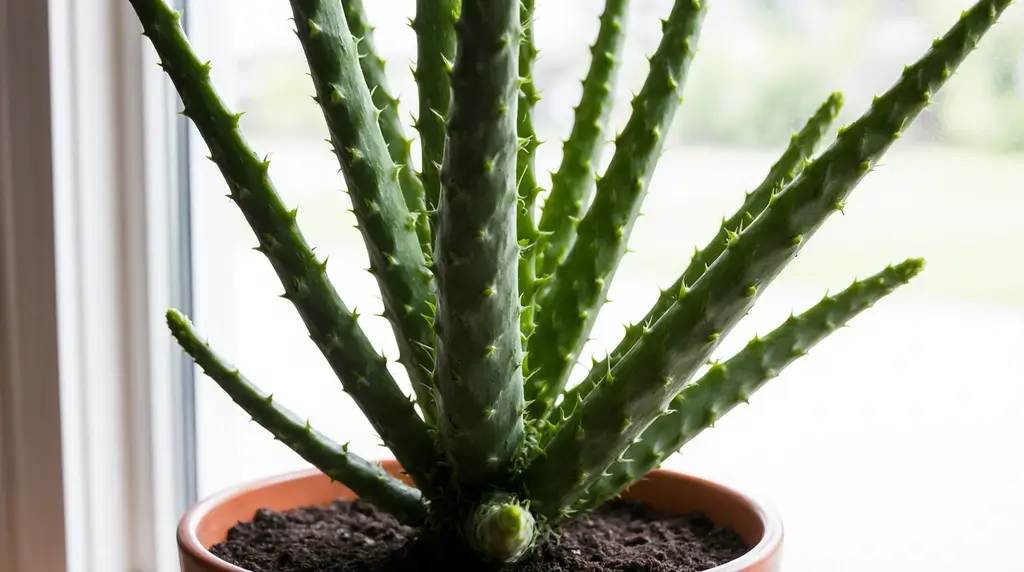
Soft, Mushy Leaves
If your leaves aren’t just yellow but also soft and mushy, we’re past yellowing and into serious territory. This usually means cold damage or advanced root rot/fungal stuff. If whole leaves are collapsing when you touch them, cut off the damaged parts ASAP and check those roots. Healthy roots should be white or tan—if they’re black, slimy, and smell awful, that’s rot. Looking for seasonal advice? Don’t miss our Seasonal Fertilizing Guide: Feed Your Plants the Right Way.
Wilted or Drooping Leaves
Wilting usually screams “root rot from overwatering!” which is kind of ironic because the plant can’t drink even though there’s water everywhere. But sometimes it means the opposite—your plant’s bone dry and needs more frequent watering. Or maybe it needs some food (nutrients).
Pest Management
If your aloe’s hanging out outside, watch for snails and slugs munching on those juicy leaves. Something like Sluggo works great and is safe around pets. Indoor aloes can sometimes get mealybugs or scale insects—just dab them with a cotton swab dipped in rubbing alcohol. Bye-bye, bugs!
Leaf Cleaning
Dust builds up on leaves and blocks light, which means less photosynthesis happening. Wipe down your leaves with a damp cloth once a month or use a gentle leaf cleaner. Plus, clean leaves help you spot pest problems before they get out of hand.
Air Circulation
Make sure there’s some fresh air moving around your plant to prevent nasty stuff like powdery mildew. But don’t put it right in front of an AC vent or a drafty window in winter—cold blasts are not your friend here!
Take Control of Your Aloe’s Health
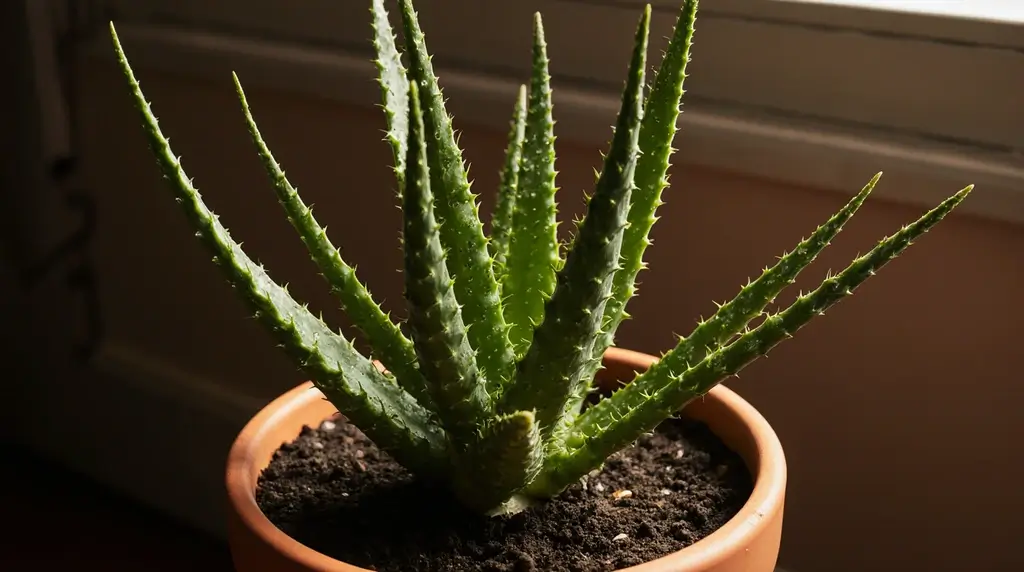
Here’s the really cool part: seven out of nine reasons your aloe turns yellow are totally within your control. We’re talking watering, light, temperature, soil, pot choice, fertilizing, and how you transition it to new spots. The only things you can’t control? Natural aging (plants get old, what can you do?) and some nutritional stuff that pops up randomly.
Once you figure out what’s bothering your aloe and make a few tweaks, it’ll bounce back pretty quickly. These plants evolved to survive in harsh desert conditions—they’re literally built to recover. They’re tougher than they look!
Your Next Move: Once you’ve mastered how to take care of aloe vera plant and yours is thriving like crazy, share the love! Those baby pups make awesome gifts for friends and family. There’s something really satisfying about giving someone a living piece of your plant that you’ve been nurturing. Plus, then you can be the person everyone comes to for plant advice (welcome to the club!).
Frequently Asked Questions
Q: How often should I water my newly propagated aloe? Go super easy on the water—only when the soil’s almost bone dry. Those baby pups have tiny root systems that can’t handle much water yet. Overwatering at this stage is pretty much the fastest way to kill them before they even get started. Be patient!
Q: How do I know if my aloe plant needs repotting? Look for the obvious signs: roots sneaking out of the drainage holes, a million pups fighting for space in there, soil that looks old and compressed, or a plant that keeps toppling over because it’s gotten too big for its pot. Any of these? Time for an upgrade!
Q: Can aloe plants thrive in low light conditions? Nope, sorry! Aloe needs bright, indirect sunlight to stay healthy. Stick it in a dark corner and it’ll stretch toward any light it can find, getting all leggy and pale with yellow leaves. Not cute.
Q: How long does it take for a propagated pup to establish roots? You’re looking at anywhere from a few weeks to a couple of months for real root development and visible growth. I know, waiting is hard! But resist the urge to tug on it to check for roots—you’ll just mess up those delicate new root hairs trying to grow.
Q: Is fertilizing Aloe Vera required? Not really required for survival—these plants are desert survivors, after all. But feeding once or twice in spring and summer (growing season) will keep it looking robust and healthy. Just use a succulent fertilizer diluted to half strength so you don’t burn it. When in doubt, less is more!
Final Analogy: Debugging Your Aloe Vera
Think of caring for an aloe vera plant like maintaining software—it’s pretty self-sufficient and runs most of its processes on autopilot. But if you feed it bad data (too much water) or stick it in an incompatible environment (freezing cold), it’s gonna throw an error message. That error message? The yellow leaf. For perfect watering routines, visit our The Ultimate Guide to Watering Your Plants: Tips for Every Season.
Once you understand the basics—good drainage, proper light, smart watering—you can troubleshoot problems like a pro and get everything back to running smoothly. Your aloe isn’t fragile or complicated; it just needs specific conditions to do its thing. Give it what it needs, and you’ll have a happy, nearly maintenance-free houseplant that’ll reward you with healing gel and adorable baby plants for years to come. Easy peasy!
Why is my aloe vera plant turning brown or soft?
This usually happens when the plant gets too much water. Aloe prefers dry conditions, so let the soil dry out completely before watering again. If the leaves feel mushy, remove the damaged parts and improve drainage.