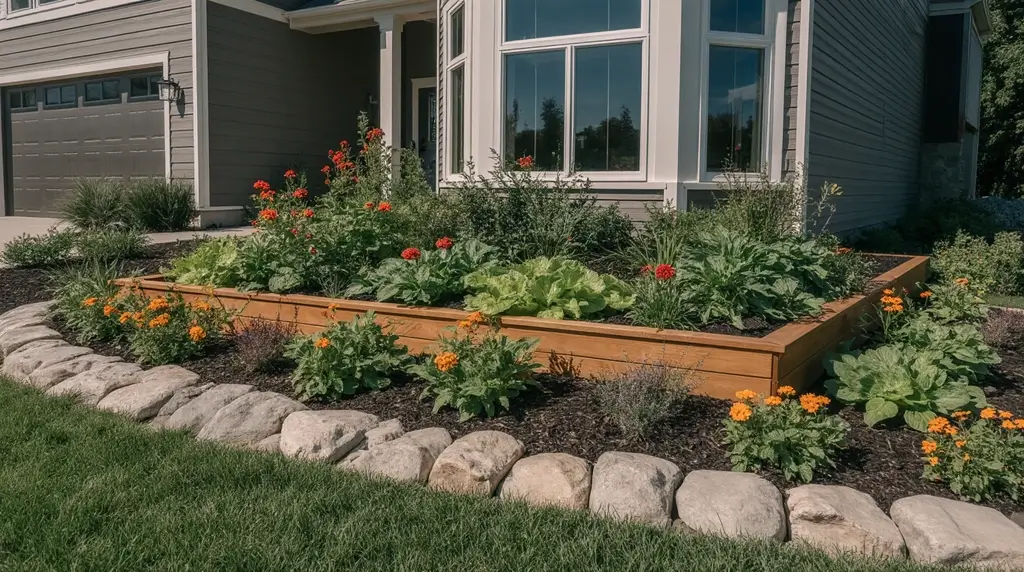
Edible Landscaping: Grow Food & Flowers in Your Front Yard
Table of Contents
Picture this: you walk out your front door in the morning and grab a handful of ripe strawberries for breakfast. Maybe you snip some fresh basil for tonight’s pasta or pull a few crisp lettuce leaves for lunch. Your front yard isn’t just pretty—it’s feeding you.
That’s what edible landscaping is all about. Instead of the usual grass and ornamental bushes, you’re growing actual food where everyone can see it. And honestly? It looks incredible.
More homeowners are ditching the traditional front yard setup for something that works harder. Why waste all that sunny space on plants you can’t eat when you could have fresh, organic produce growing right outside your door? The best part is, you don’t need to be an expert gardener to pull this off. For a greener and more environmentally conscious garden, check out our How to Start a no dig gardening: Save Time, Save Your Back.
Why Put Food in Your Front Yard?
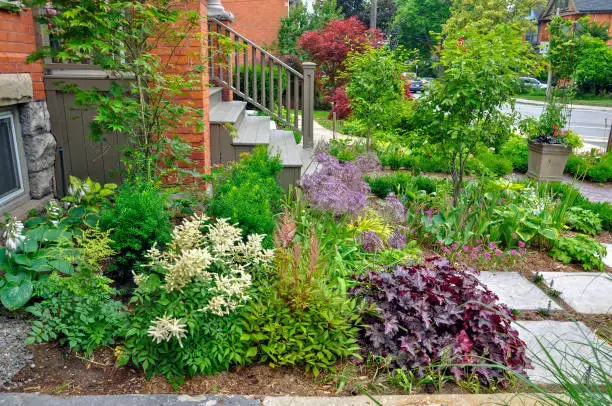
The reasons go way beyond “free tomatoes,” though that’s definitely a perk.
For starters, let’s talk money. Groceries aren’t getting any cheaper, and fresh produce is especially pricey. Growing even some of your own food can noticeably cut your grocery bill. Plus, there’s no comparison between a sun-warmed tomato picked five minutes ago and one that traveled across the country in a truck.
Then there’s the environmental angle. Traditional lawns are resource hogs—they need constant watering, chemical fertilizers, and gas-powered mowers. An edible landscape uses less water (especially if you choose the right plants), supports bees and butterflies, and turns your yard into a mini ecosystem instead of a green desert.
But here’s something people don’t always expect: edible front yards bring neighbors together. People stop to ask what you’re growing. Conversations happen. You end up sharing surplus zucchini (because there’s always too much zucchini). It changes the whole vibe of the street.
Choosing Plants That Look Good and Taste Better
This is where edible landscaping gets fun. You want plants that pull double duty—they need to look attractive all season long, not just when you’re harvesting.
Berry bushes are your friends. Blueberries give you gorgeous red and orange leaves in fall, and the berries are a bonus. Raspberries can climb a fence and look intentional doing it. Strawberries work as ground cover and produce those cheerful white flowers before the fruit shows up.
Fruit trees add structure. Go for dwarf varieties unless you’ve got loads of space. Apple trees bloom beautifully in spring. Cherries fruit early in the summer. Fig trees have that Mediterranean look that makes everything feel more designed. These become the bones of your landscape.
Leafy greens are secretly gorgeous. Rainbow chard has stems in hot pink, bright yellow, and deep orange that honestly look better than most flowers. Lettuce comes in burgundy and lime green with all kinds of patterns. And kale—especially the purple kinds—has this textured, architectural thing going on.
Herbs do everything. Rosemary grows into a hedge you can shape. Lavender blooms forever and smells amazing. Parsley, cilantro, and chives fill in the gaps and stay lush and green. Silver sage looks good year-round and handles drought like a champ.
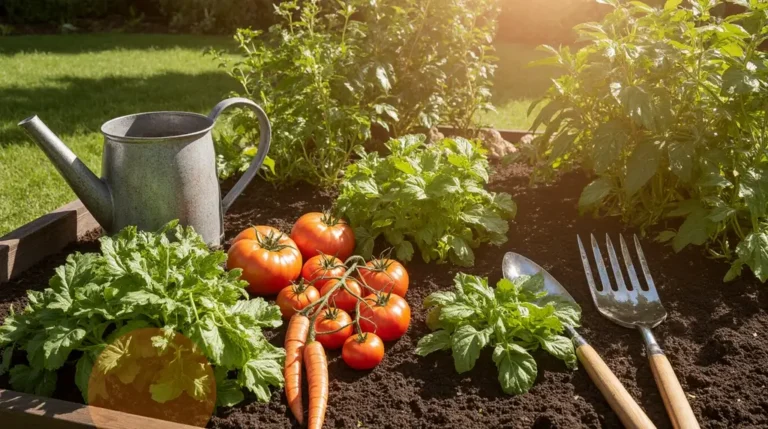
Colorful vegetables steal the show. Hot peppers come in every color and stand up like little sculptures. Purple cabbage forms these perfect spiral heads. Even tomatoes look great if you give them a nice trellis or grow them in attractive pots.
Designing It So It Actually Looks Good
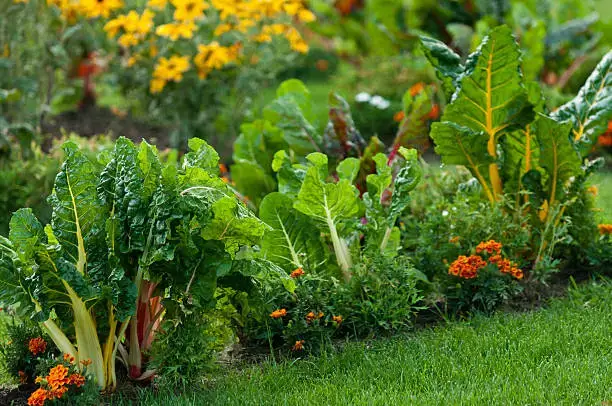
Here’s the thing: you can’t just scatter vegetables randomly and expect it to look intentional. There’s a method to making this work.
Think in layers. Put your tallest stuff in the back—fruit trees, big berry bushes. In the middle, go for medium-height plants like tomatoes, peppers, and chard. Then edge everything with low growers like herbs, strawberries, and compact lettuces. This creates depth and makes sure nothing’s blocking anything else.
Pay attention to color. Group plants like you’re designing any other garden. Purple basil next to orange calendula and red tomatoes? Beautiful. Blue-green kale with yellow squash flowers? Also works. Think about what’s blooming or producing when, so you’ve got color across the whole season.
Make clear paths. You need to get in there to harvest without trampling things. Use mulch, stepping stones, or even thyme as a living walkway. Keep paths at least two feet wide so you can comfortably haul a basket through. Good paths make everything look more deliberate.
Use containers strategically. Big pots filled with herbs near your front door look polished and make sense. Citrus trees in containers can move around or go inside for winter. If your soil is terrible, containers solve that problem while still looking good.
The Flower Situation
You absolutely need flowers mixed in. They’re not just decorative—they make the whole garden more productive.
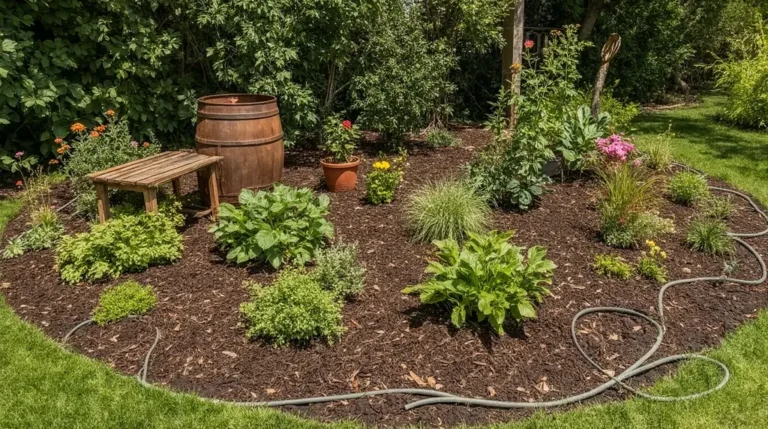
Most vegetables need pollination, which means you need bees, butterflies, and other helpful insects visiting regularly. Zinnias bring in butterflies. Cosmos reseed themselves and come back every year without you doing anything. Sunflowers attract everything and then feed the birds in fall. For smarter water use in your garden, check out our Rain Gardens: Control Flooding and Help Nature.
Some flowers do double duty as pest control. Marigolds smell too strong for certain bugs, so they stay away. Nasturtiums are like aphid magnets—they’ll draw aphids away from your vegetables, plus you can eat the flowers and leaves in salads. Calendula keeps blooming and attracts the good bugs that eat the bad ones.
Perennial flowers save you work. Plant them once and they come back. Daylilies edge beds nicely and the flowers are edible. Bee balm brings in hummingbirds. Catmint blooms from spring through fall and needs basically no care.
Keeping It Looking Good
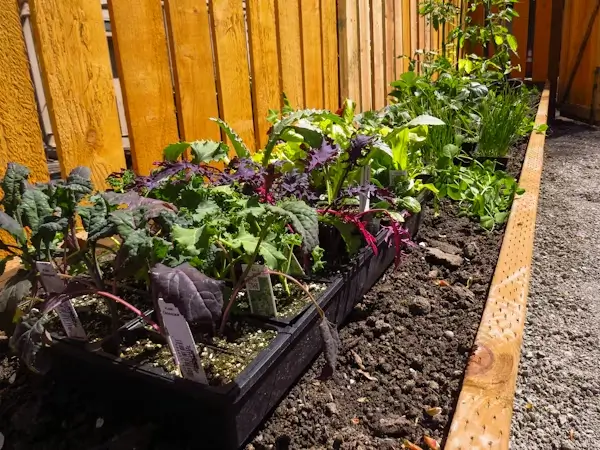
An edible landscape needs more attention than a lawn, but less than you’d think if you set things up right.
Water matters. Most food plants need consistent moisture, especially when they’re flowering or fruiting. Drip irrigation or soaker hoses work best—they put water right at the roots and don’t waste it. Mulch everything with straw or wood chips to hold moisture in and keep weeds down. Water deep but not super often, so roots grow down instead of staying shallow.
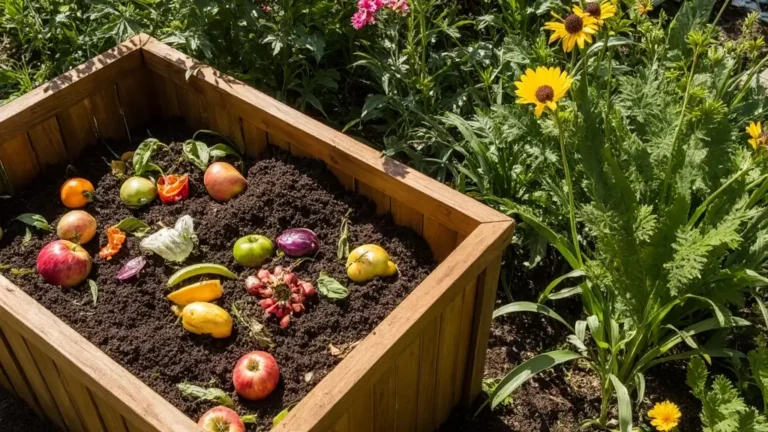
Feed your soil. Food plants are hungry. Add compost every year. Use aged manure or organic fertilizer. Test your soil every few years if you want to get specific about what it needs. Healthy soil grows healthy plants that don’t get sick as easily.
Keep things tidy. Pull off dead flowers, harvest vegetables when they’re ready—this keeps plants producing. Prune fruit trees and berries in winter. Trim herbs regularly so they stay bushy. Stake tomatoes and peppers so they don’t flop all over. It doesn’t take long, but it makes a huge visual difference.
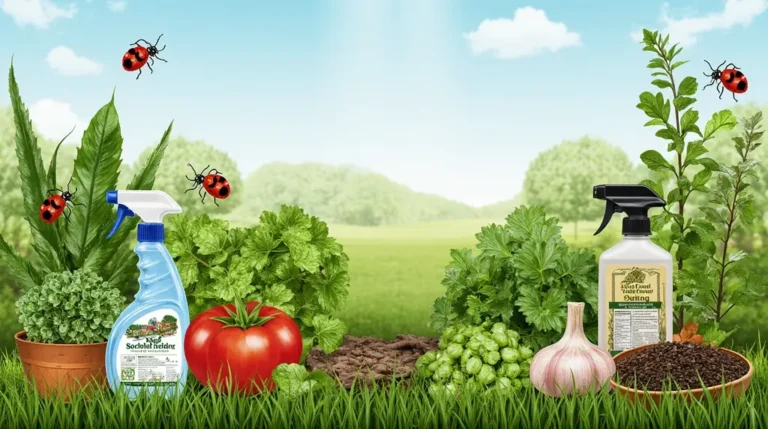
Deal with pests carefully. Since this is your front yard, you probably don’t want to spray a bunch of chemicals where everyone can see. Encourage good bugs by planting lots of different things. Pick off big pests by hand. Use row covers for protection. Accept that a few chewed leaves are fine—it proves real food is growing.
Plan for all seasons. Plant lettuce every few weeks so you always have some ready. When summer crops finish, put in fall vegetables. Keep some winter interest with herbs that stay green or ornamental kale that looks good even in frost.
What About the Neighbors?
Some people worry about growing food out front. Here’s the reality.
HOA rules can be tricky, but most associations are fine with edible landscaping if it looks good. Keep edges clean, use nice hardscaping, maintain it well. Many places have laws protecting your right to grow food. Read your HOA rules carefully and if needed, talk to them professionally about your plans. Emphasize how attractive and environmentally friendly it’ll be.
Theft comes up occasionally, but honestly? Most neighbors think it’s cool. If someone does take something, you could see it as sharing with someone who needed food. Motion lights can help without making your yard look like Fort Knox.
Maintenance concerns stop a lot of people before they start. The solution is to start small. One bed. A few containers. Some perennial fruits that don’t need replanting every year. Pick varieties that grow well in your climate without tons of fussing. You can always expand once you’ve got the hang of it.
Actually Getting Started
You don’t have to rip out your entire front yard this weekend. Start somewhere manageable and build from there.
Look at your yard and notice where the sun hits throughout the day. Most edibles need at least six hours of direct sun. See how water drains after it rains. Figure out what you want to keep and what needs to change.
Pick one focal point to start with—maybe a dwarf fruit tree or a raised bed with colorful vegetables and herbs. This gives you something immediate to show for your effort while you figure out what grows well for you.
Then just add to it gradually. Convert a section of lawn to planting beds one area at a time. Add berry bushes one year, more herbs the next. Spread out the work and the expense. You’ll refine your design as you learn what works in your specific spot.
Why This Works
Growing food in your front yard isn’t just trendy—it’s practical. You’re using space that’s typically wasted on grass that requires constant maintenance but gives you nothing back. For chemical-free pest solutions, visit our Organic Pest Control: Natural Solutions Easy That Work.
Your edible landscape can be simple or elaborate, whatever fits your life. A few pots of herbs by the door counts. So does a full lawn conversion to food production. Either way, you’re reconnecting with where food comes from and making your yard work for you instead of the other way around.
It starts with one plant or one small bed. Every harvest teaches you something. The garden gets better each season. And eventually, you’ve got this beautiful space outside your front door that feeds your family, looks amazing, and makes your neighborhood a little more interesting.
The first sun-warmed tomato you pick from your front yard will make it all worth it.
Can edible plants really fit into a front yard without looking messy?
Absolutely. Many edible plants have beautiful foliage, flowers, or shapes that blend naturally with decorative landscaping. With thoughtful placement and tidy borders, you can keep everything looking intentional and stylish.