DIY Home Improvement: Upgrade Your Space on a Budget
Table of Contents
Look, I get it. You want your home to look better, but you’re not exactly swimming in cash. The good news? You don’t need a massive budget to make real changes to your space.
I’ve seen people completely transform their homes with creativity and elbow grease. Some paint, a few thrift store finds, and a willingness to try something new can go surprisingly far. Whether you’re tackling your first project or you’ve already refinished half your furniture, there’s always another way to improve your space without emptying your wallet. you might also like our guide on Creative DIY Birdhouses to Attract Backyard Birds.
Why DIY Home Improvements Make Sense
Here’s the thing about doing it yourself—you save money, obviously. But there’s more to it than that.
When you handle home improvements yourself, you learn what works in your space. You figure out your style. And honestly, there’s something satisfying about stepping back and thinking, “I did that.”
The projects I’m sharing here aren’t complicated. Most require basic supplies you might already have. A few need a trip to the hardware store or thrift shop. None of them should stress you out or require professional skills.
Start Simple: Make Your Own Wall Art
Blank walls feel cold. But buying art gets expensive fast.
Instead, create something yourself. You probably have materials sitting around—old frames, canvas boards, cardboard, even reclaimed wood scraps. Paint an abstract piece. Try your hand at stenciling. Print out typography in a nice font and frame it.
I’ve seen people make stunning pieces from three colors of paint and some painter’s tape. The geometric look is popular right now, and it’s basically foolproof. Nobody needs to know it took you 30 minutes.
Group a few pieces together if you want more impact. Three small canvases often look better than one large expensive print.
Hunt for Treasures at Thrift Stores
This is where patience pays off.
Your local thrift store, estate sales, even garage sales—they’re goldmines if you know what to look for. Don’t judge a piece by its current state. That scratched-up dresser might just need new hardware and a coat of paint. The lamp with the ugly shade? Buy it for $5, get a new shade for $15, and you’ve got something that would cost $80 retail.
Mid-century furniture is everywhere in these places. So are unique vintage pieces you can’t find in stores anymore.
The trick is going regularly. Good stuff moves fast. And don’t be afraid to negotiate, especially at estate sales. Most people just want to clear things out.
Add Plants (Seriously, They Help)
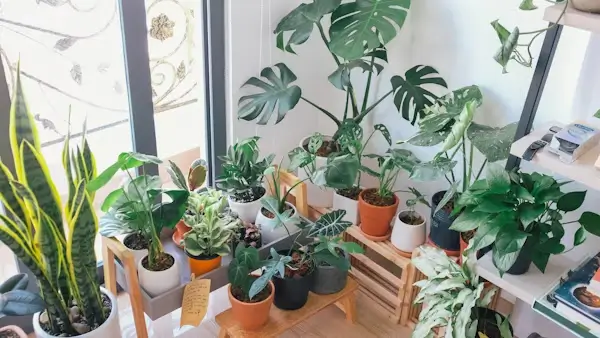
A few well-placed plants make any room feel more alive.
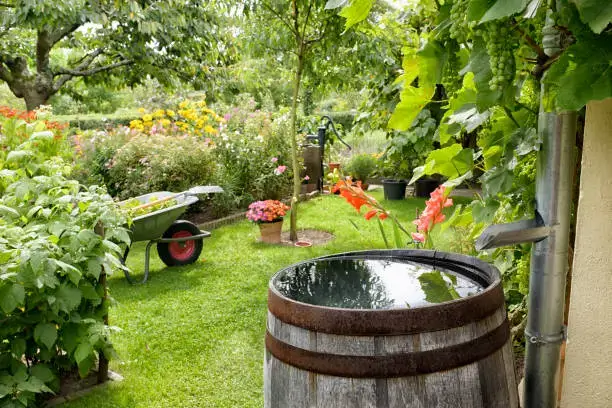
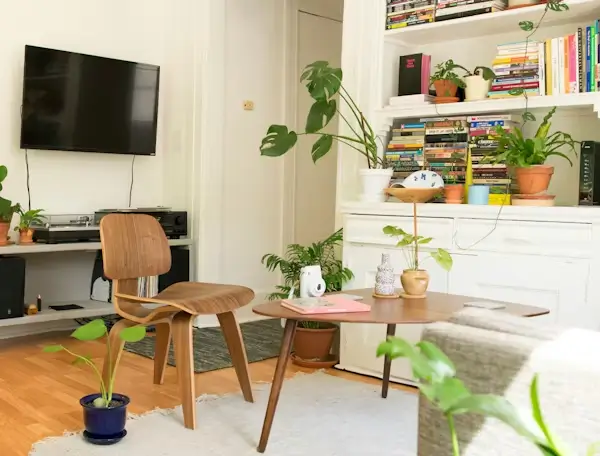
You don’t need to become a botanist. Start with the unkillable ones: pothos, snake plants, ZZ plants. They survive neglect remarkably well. Water them when you remember, give them some indirect light, and they’ll be fine. Want even more ideas? Explore similar guides in our DIY Rainwater Harvesting Setup for Backyard Gardens.
Plants also clean your air, which is a nice bonus. More importantly, they fill empty corners and add color without looking like you’re trying too hard.
Group different heights together on a shelf or side table. Hang one in a macramé holder if that’s your style. Even one large floor plant in the corner changes how a room feels.
Give Old Stuff a Second Life
Before you toss something or drop it at Goodwill, think about whether it could be something else.
That wooden ladder in your garage? Lean it against a wall and drape blankets over the rungs. Or use it as a quirky bookshelf. Mason jars become storage containers, vases, or candle holders. An old chair with a broken seat can be a plant stand with some outdoor paint.
This approach takes imagination, sure. But it’s also how you end up with unique pieces that nobody else has. Plus, it’s satisfying to keep something out of the landfill.
Simple Furniture Updates That Work
You don’t always need new furniture. Sometimes you just need to hack what you’ve got.
Storage cubes are cheap. Add a cushion on top and you’ve got an ottoman with hidden storage. Removable wallpaper or contact paper can completely change how cabinets look—and it peels off clean when you’re done, which makes it perfect for rentals.
Switching out drawer pulls and cabinet handles is shockingly effective. New hardware costs maybe $3-5 per piece, takes five minutes to install, and makes furniture look completely different. Go from brass to black, or swap basic knobs for leather pulls. Small change, big impact.
Check Online Marketplaces
Facebook Marketplace and Craigslist are obvious, but don’t sleep on apps like OfferUp or Nextdoor.
People sell quality stuff for cheap all the time. They’re moving, upgrading, or just clearing space. You can find barely-used furniture for a fraction of retail price. I’ve seen West Elm sofas go for $200 because someone needed it gone by the weekend.
Always inspect items in person. Ask questions. And factor in whether you can actually get it home—that amazing dresser doesn’t help if you can’t transport it.
Most sellers expect some negotiation, so make reasonable offers. Just don’t lowball so hard that it’s insulting.
Clear Out the Clutter First
Sometimes the best improvement is just removing stuff.
Walk through your rooms and really look at what’s there. Do you need all of it? Does it serve a purpose or make you happy? If not, it’s probably just taking up space and making everything feel cramped.
Try rearranging your furniture, too. Move the couch away from the wall. Float it in the middle of the room. See what happens if you angle things differently. You might discover your space works better than you thought—it was just arranged wrong.
This costs nothing and can completely change how a room functions.
Paint Changes Everything
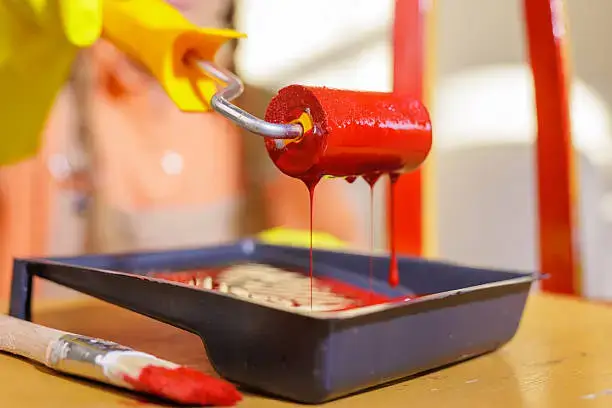
If you only do one thing, paint something.
A room with fresh paint feels clean and updated, even if everything else is the same. You can go bold with an accent wall, or keep it neutral and just brighten things up. Either way, paint is the highest impact improvement for the lowest cost.
Think about color psychology a bit. Blues and greens calm you down—good for bedrooms. Yellows energize—nice for kitchens or home offices. Grays are safe and sophisticated if you’re not sure.
Don’t limit yourself to walls, either. Paint a ceiling. Paint interior doors. Paint an old piece of furniture. Paint is your friend, and it’s cheap.
Build a Gallery Wall That Tells Your Story
Gallery walls look expensive and curated. But here’s the secret: they’re just a bunch of frames arranged on a wall.
You don’t need matching frames. In fact, mixing styles usually looks better—more collected over time, less “bought as a set.” Print your favorite photos, frame kids’ artwork, add some postcards or prints you love.
Lay everything out on the floor first. Move things around until the arrangement looks balanced. Then measure and hang. There are even templates online if you want to be precise, but honestly, eyeballing it works fine too.
This costs almost nothing if you use frames you already have or pick up cheap ones at thrift stores. The result is personal and adds warmth that generic art can’t match.
Refresh Your Textiles Seasonally
Changing your curtains, throw pillows, and rugs is an easy reset button.
You don’t have to do this often, but swapping out textiles when you’re bored of your space makes everything feel new. Different colors, different textures, different patterns—it’s like redecorating without actually redecorating.
You can even make your own pillow covers if you’re slightly handy with a sewing machine. Or just buy fabric and use fabric glue. Hem some nice fabric into curtains that actually fit your windows instead of standard lengths that are always wrong.
Textiles are forgiving. If you don’t love something, change it. They’re not permanent like paint.
Update Your Lighting (Please)
Lighting makes or breaks a room, and builder-grade fixtures are usually terrible.
Swapping out light fixtures is easier than you think. Most just require a screwdriver and following basic instructions. You can find stylish options that don’t cost much at places like IKEA, Home Depot, or even Amazon.
Add dimmer switches if you can. They let you control the mood and make any lighting more versatile.
Don’t forget about lamps. A well-placed floor lamp or table lamp adds layers to your lighting and makes spaces feel more designed. Overhead lighting alone always feels harsh.
Try a Minimalist Approach
Less stuff often means more peace.
You don’t have to go full minimalist if that’s not your thing. But reducing clutter and keeping only what you actually use or love makes spaces feel bigger and calmer.
This means being picky about what you display. Not every surface needs something on it. Empty space is okay—it’s actually good. It lets your eyes rest and makes the things you do display feel more intentional.
Start with one room. Remove half of what’s out. See how it feels. You can always add back, but most people find they prefer it cleaner.
Create Custom Decorative Pieces
Handmade items add character that store-bought stuff just doesn’t have.
Make picture frames from reclaimed wood. Design coasters using tiles, photos, and resin. Pour candles in vintage teacups or small jars. The options are endless and most are pretty forgiving for beginners.
These projects don’t take long once you get going. And they make great gifts, which is a bonus. When someone compliments something in your home and you can say “I made it,” that feels pretty good.
Pick One Wall to Make Bold
A statement wall focuses attention and adds drama without overwhelming your space.
Paint one wall a bold color while keeping the others neutral. Add removable wallpaper with a pattern you love. Try peel-and-stick wood planks for texture. Even wall decals work if you find ones that don’t look cheap.
This approach gives you the impact of a full renovation but only requires committing to one wall. If you change your mind later, it’s much easier to fix than an entire room.
Statement walls also anchor furniture arrangements and help define spaces in open floor plans.
Restore Tired Furniture
Old furniture just needs some attention to look good again.
Sand down that scratched table. Paint the dresser that’s been bugging you. Reupholster dining chairs with fabric you actually like. These projects sound intimidating, but they’re mostly time and patience, not skill.
YouTube is full of tutorials for specific furniture types. Watch a few videos, gather your supplies, and commit a weekend to it. The results are worth it, and you’ll have custom pieces that fit your style perfectly.
Furniture restoration also means you’re not filling landfills with stuff that just needed a little work.
Consider Open Shelving
This trend isn’t for everyone, but it works well in certain spaces.
Open shelving in kitchens makes rooms feel bigger and gives you easy access to dishes and glasses. It costs way less than cabinets. The catch is that everything is visible, so you need to keep it organized and relatively tidy.
In bathrooms, open shelves hold towels and toiletries while adding a spa-like feel. In living rooms, they display books and decorative objects.
The key is styling them thoughtfully. Mix functional items with a few pretty things. Group objects in odd numbers. Leave some space—don’t cram every shelf full.
Don’t Forget Your Outdoor Space
If you have a patio, balcony, or yard, treat it like an extra room.
Even a small balcony becomes usable with a couple of chairs, some potted plants, and string lights. Shop end-of-season sales for outdoor furniture. It’s the same stuff, just cheaper because everyone else stopped thinking about outdoor spaces for the year.
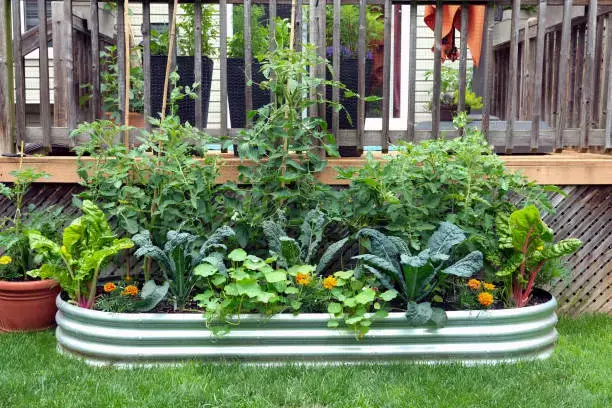
Container gardens work anywhere. You don’t need a green thumb—just plant some flowers or herbs in pots, water them regularly, and enjoy having something green to look at.
Good outdoor spaces extend your living area and give you somewhere to decompress that isn’t inside staring at screens.
Ground Your Rooms with Rugs
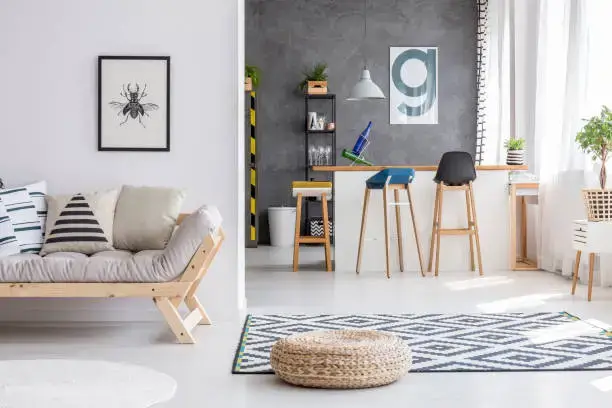
Area rugs tie furniture together and define spaces within larger rooms.
The biggest mistake people make is buying rugs that are too small. In living rooms, all your furniture should at least have front legs on the rug. In dining rooms, the rug should extend past the chairs when they’re pulled out.
You can find affordable rugs if you’re patient. Check discount stores, online outlets, and even places like HomeGoods or TJ Maxx. Layering smaller rugs can create custom looks that cost less than one large expensive rug.
Rugs also add warmth underfoot and help with acoustics if your space is echo-y.
Try Removable Wallpaper
Peel-and-stick wallpaper has gotten really good in recent years.
It installs easily, removes cleanly, and comes in every pattern imaginable. This makes it perfect for renters or anyone who likes changing things up. Use it on accent walls, inside bookcases, on furniture, even on ceilings if you’re feeling adventurous.
The patterns available now are actually stylish—botanical prints, geometric designs, textured looks, everything. It’s not your grandmother’s wallpaper that requires professional installation and scraping it off the walls five years later.
Get Creative with Storage
Good storage doesn’t have to be expensive or boring.
Floating shelves are cheap and easy to install. Decorative baskets hold blankets and toys while looking intentional. Vintage crates stacked on their sides become rustic storage units. Hooks on walls create places to hang coats, bags, or even bikes.
The goal is keeping things organized without everything being hidden behind closed doors. Visible storage can actually be part of your décor if you choose pieces that look good.
Smart storage makes small spaces work harder and keeps clutter from taking over.
Swap Décor with Friends
This is an underrated strategy.
Trade decorative items with friends or family members. What you’re tired of looking at might be exactly what someone else wants. Swap seasonal decorations so you’re not buying new stuff every year.
This approach refreshes your space for free while helping others do the same. Plus, it’s a good excuse to catch up with people you don’t see enough.
Display Your Own Artwork
You don’t have to be an artist to create things worth displaying.
Paint something abstract—it doesn’t have to be perfect. Frame your kids’ artwork properly instead of taping it to the fridge. Print and frame meaningful photos from trips or events. Try your hand at embroidery or macramé if crafts are more your speed.
The point is making your space personal. Mass-produced art is fine, but having things that actually mean something to you makes a house feel like home.
Mix Different Styles
Matching sets are overrated and often boring.
Combining different styles, eras, and aesthetics creates spaces with more personality. Pair that vintage dresser with modern lighting. Mix rustic pieces with industrial accents. Put bohemian textiles on minimalist furniture.
This eclectic approach also accommodates tight budgets naturally. You’re buying pieces you genuinely love when you find them at prices you can afford, not trying to complete a matching set all at once.
The key is having some thread that connects everything—a color palette, a material, a vibe. That keeps it from looking random.
Rearrange Your Bookshelf
This takes ten minutes and costs nothing.
Organize books by color for a rainbow effect. Group them by size for clean lines. Arrange by topic or author if you actually use them as reference. Whatever you choose, a newly organized bookshelf refreshes an entire room.
Add small plants, framed photos, or decorative objects between book groups for visual interest. Books don’t have to be the only thing on bookshelves—they can be part of a larger display.
Quick Answers to Common Questions
How do I decorate on a tight budget?
Focus on high-impact changes first. Paint is cheap and transformative. Rearranging what you have costs nothing. Thrift stores and online marketplaces provide quality items at low prices. Do projects yourself instead of hiring help. Be patient and build your space over time rather than buying everything at once.
Where should I look for affordable home décor?
Thrift stores, estate sales, and garage sales are goldmines. Check Facebook Marketplace, Craigslist, and OfferUp regularly. Browse clearance sections at HomeGoods, TJ Maxx, and Target. End-of-season sales at major retailers offer big discounts. Even dollar stores carry surprisingly decent basics like frames and storage baskets.
What DIY projects are actually beginner-friendly?
Start with painting—furniture or walls. Make simple wall art or photo displays. Sew basic pillow covers or curtains. Build floating shelves from lumber and brackets. Refinish furniture with sandpaper and stain. These projects don’t require special skills, just patience and willingness to try.
How can I make a small space feel bigger?
Remove clutter ruthlessly. Use light colors on walls. Add mirrors to reflect light. Keep furniture appropriately scaled—oversized pieces overwhelm small rooms. Use vertical storage to maximize space. Ensure good lighting. Keep floors as clear as possible. Less is genuinely more in small spaces.
Can I really update a room without renovating?
Absolutely. Fresh paint changes everything. New lighting makes huge differences. Updated textiles—curtains, rugs, pillows—refresh instantly. Rearranging furniture creates new functionality. Changing hardware on cabinets and doors updates the look. Removing clutter opens up space. Full renovations are rarely necessary for dramatic improvements.
What works for small outdoor spaces like balconies?
Scale matters—choose appropriately sized furniture. Folding pieces maximize flexibility. Container gardens add greenery without yards. String lights create ambiance cheaply. Outdoor rugs define the space and add comfort. Vertical planters use wall space efficiently. Even tiny balconies become usable retreats with thoughtful choices.
Making It Happen
Here’s the truth: your home doesn’t need unlimited funds to look and feel better. It needs attention, creativity, and some effort. Make your DIY projects easier and more fun.
Start small. Pick one project that excites you and do it this weekend. Paint that accent wall. Rearrange your furniture. Hit a few thrift stores. Make some wall art. Whatever feels manageable and interesting.
The satisfaction of improving your space yourself is real. You’ll learn what you’re capable of, develop your eye for design, and save money while creating a home that actually reflects who you are.
Your space should evolve with you. It’s not about achieving perfection or copying someone else’s style. It’s about making where you live feel like yours—comfortable, functional, and something you’re happy to come home to.
Choose something from this list that appeals to you and get started. You might surprise yourself with what you can accomplish with some paint, creativity, and a free Saturday.
Which home upgrades give the biggest visual impact for the lowest cost?
Simple changes like painting walls, updating lighting, or rearranging furniture can transform a room. Even swapping outdated fixtures can modernize a space quickly. The key is focusing on improvements people notice first.