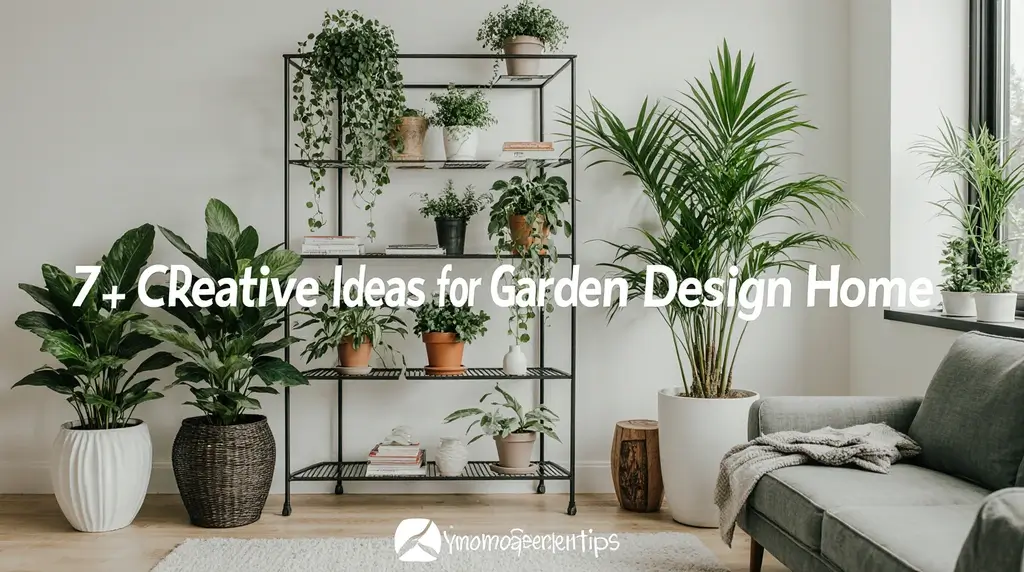
7 creative ideas for design garden in your home
Table of Contents
So you want greenery in your home, but you’re stuck on where to actually put it. Maybe you don’t have a yard, or the one you have is too small. Here’s the thing—you don’t need acres of outdoor space to enjoy plants.
I’ve gathered seven practical ways to create a garden inside or around your home. Some use walls, others work with furniture, and a few make use of those weird spaces everyone has but nobody knows what to do with. Pick what fits your situation and go from there. To improve your soil naturally, read our Compostieng At Home: Turn Kitchen Waste into Garden Gold.
Why Bother With Indoor Gardens?
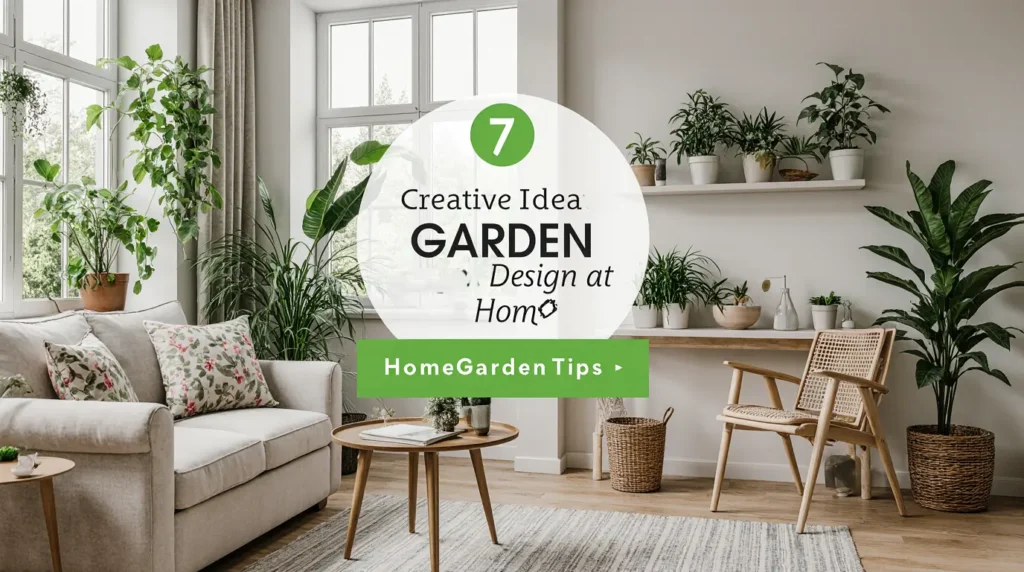
Quick reality check: plants do more than look nice. They clean the air, which matters if you live somewhere with pollution or poor ventilation. Most people also find them calming—there’s actual research backing this up, not just anecdotal claims.
Plus, if you grow herbs or small vegetables, you’ve got fresh ingredients right there. No store trips for basil or cherry tomatoes.
Property value goes up too, though that’s more of a long-term benefit. For now, focus on making your space livable and pleasant.
1. Use a Wall for Vertical Growing
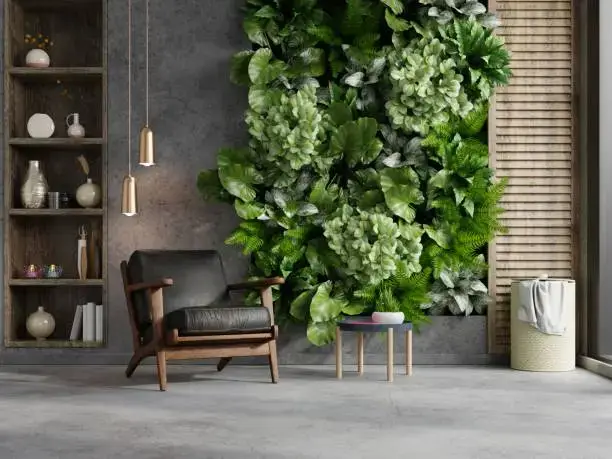
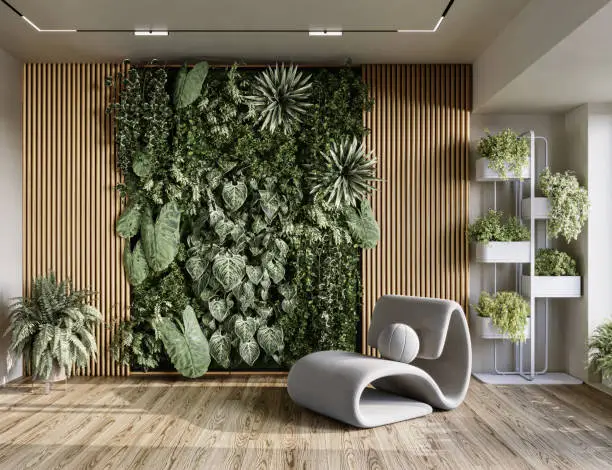
Got a wall doing nothing? Turn it into a vertical garden. This works especially well if floor space is tight.
You’ll need some kind of mounting system—wall planters, pocket organizers, or modular panels. Glass enclosures look sharp and keep moisture from damaging your walls, though they’re optional depending on your setup.
The basics:
Start with the lighting situation. If the wall gets good natural light, you’re already ahead. If not, LED grow lights work fine and don’t cost much to run. Stick with simple fixtures that blend in rather than standing out.
For the base, white pebbles or small stones give you that clean look without much effort. They also help with drainage if you’re worried about water pooling.
Plant choices matter here.
Low light? Go with pothos, philodendrons, or most ferns. They’re nearly indestructible.
Bright spots work for succulents, herbs, or anything that needs more sun.
A trick with lighting:
Hidden LED strips behind the plants create depth at night. It’s subtle, not flashy, and when you dim the main lights, the garden becomes a focal point without trying too hard.
2. Balconies and Patios Are the Easy Option
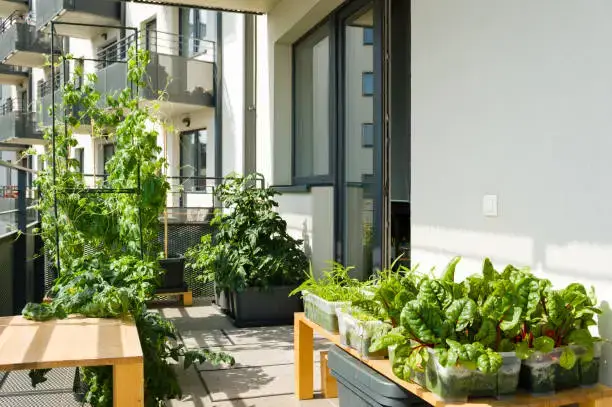
If you have outdoor space—even a small balcony—use it. Plants naturally do better with real sunlight and rain, which means less work for you.
Start small if you’re new to this.
Most vegetables and flowers need six to eight hours of direct sun. Shade plants like hostas need far less. Check your space at different times of day before buying anything.
For ground-level areas, dig down 12 to 18 inches for most plants. Deeper for root vegetables like carrots.
Don’t skip the borders.
White stones or a low concrete wall make everything look intentional instead of random. Paint concrete whatever color works with your exterior. Stepping stones or gravel paths keep things tidy and give you a place to walk when watering.
Balcony gardens need containers with drainage holes. Self-watering pots help if you forget to water or travel often. Mix different pot sizes—it looks better than same-height everything.
3. Those Weird Corners You Don’t Know What to Do With
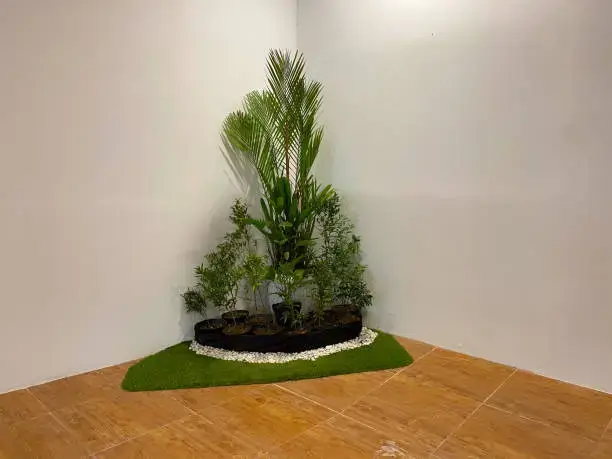
Every home has them. Corners that don’t fit furniture well, awkward spots near doorways, random nooks by windows.
Stop fighting it. Put plants there.
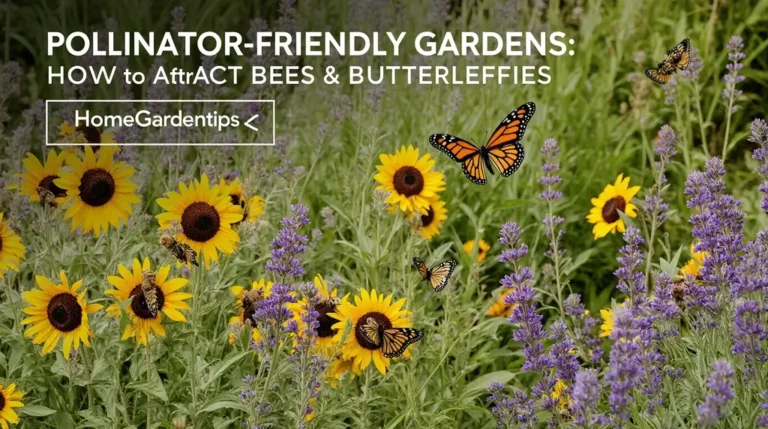
Since you can’t dig inside, containers are your solution. Mix materials and shapes—ceramic, woven baskets, metal, whatever. Arrange them in clusters rather than straight lines. Triangles and irregular groupings feel more natural than rigid patterns. For more eco-friendly gardening insights, browse the rest of our Pollinator Friendly Gardens: How to Attract Bees & Butterflies.
Match plants to light conditions:
- Bright corners: succulents, cacti, African violets
- Medium light: snake plants, ZZ plants, prayer plants
- Low light: pothos, peace lilies, Chinese evergreens
Toss in some rocks or small pieces of driftwood. It fills space and adds texture without costing much.
4. Your Entrance Says a Lot
First impressions matter, right? If your entryway is spacious—especially with high ceilings—you’ve got room for something more dramatic.
Small palms work well here. Parlor palms, areca palms, or bamboo varieties grow vertically without taking up much floor space. They also handle indoor conditions better than you’d expect.
Lighting makes the difference.
Spotlights angled upward create shadows on walls and emphasize height. If natural light is limited, full-spectrum grow lights double as regular lighting fixtures. Modern ones look fine, not like science lab equipment.
Add some decorative elements—smooth stones around the base, maybe a piece of natural wood. Keep it simple. The goal is welcoming, not cluttered.
5. The Space Around Stairs
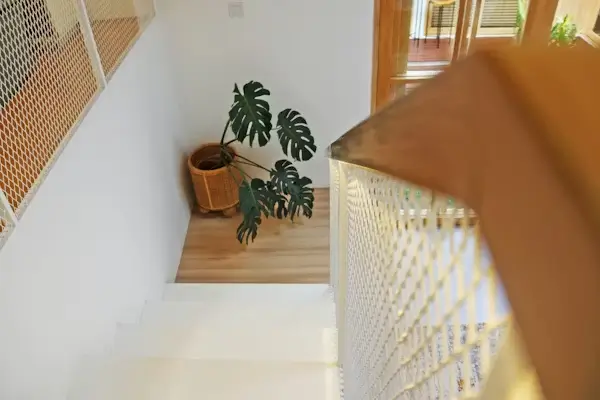
Staircases always leave weird gaps. Under them, beside them, sometimes above them if you’ve got an open layout.
Most people stick a coat closet there and call it done. You could do better.
For under-stair spaces:
First, figure out the light. Dark corners need grow lights or very tolerant plants like ZZ plants or snake plants. Brighter spots give you more options.
Lay down pavers or river rocks to define the area. Glass panels around it create a mini greenhouse effect—keeps humidity in, protects your floors, and looks surprisingly good from different angles.
Pick plants sized to your clearance. Tall spaces handle rubber plants or small indoor trees. Low ceilings work better with ferns or trailing plants that cascade outward.
6. High Ceilings Near Staircases
Two-story entryways or open stairwells usually have this tall, empty space that’s hard to use.
Instead of trying to fill the upper area, focus on the floor where light actually reaches. Tall plants like fiddle leaf figs, bird of paradise, or indoor palms make a statement without complicated installation.
Here’s a design tip that actually works:
Match your planter materials to your stairs. Wood stairs? Wooden planter boxes. Metal stairs? Modern metal or concrete planters.
It sounds obvious, but most people miss this. When materials coordinate, everything looks intentional rather than like you just stuck plants wherever they fit.
The upward lines of tall plants mirror the stairs naturally. It guides your eye through the space instead of creating visual competition.
7. Build Plants Into Your Furniture Layout
This one’s less common but surprisingly practical.
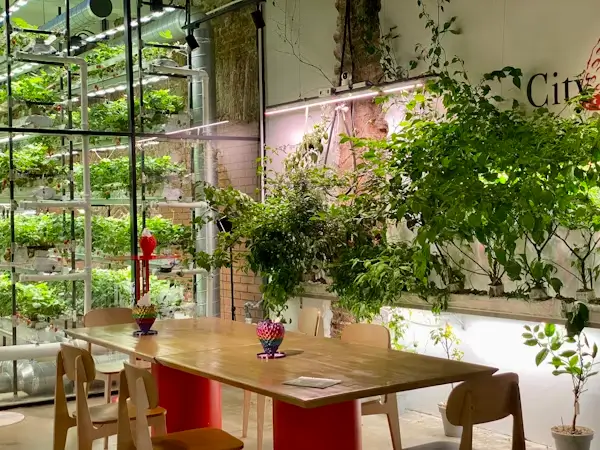
Instead of pushing furniture against walls, create a bordered zone that includes both seating and planting areas. Use wood, stone, or composite materials to build a low perimeter that encompasses your couch or dining set. Within that border, section off areas for plants while keeping pathways clear.
Why this works:
You’re not sacrificing floor space—you’re repurposing the space your furniture already occupies. It creates natural room dividers in open layouts. And you get the psychological benefits of plants right where you spend time, not across the room.
Plant selection matters here.
Skip anything with thorns, overpowering scents, or excessive leaf drop. Snake plants, ZZ plants, and monstera create visual impact with minimal fuss. Trailing pothos soften edges nicely.
People notice this setup. It’s different enough to stand out without looking like you’re trying too hard.
What Actually Matters for Success
Forget the complicated advice. Here’s what makes or breaks indoor gardens:
Light comes first. Most plant problems trace back to wrong lighting. Assess each spot honestly. Supplement with grow lights when needed—they’re cheap and effective now.
Watering kills more plants than anything else. Overwatering, specifically. Most houseplants prefer slightly dry to soaking wet. When in doubt, wait an extra day.
Drainage is non-negotiable. Containers without holes lead to root rot. Use saucers to protect surfaces, but make sure excess water can escape.
Air movement helps. Stagnant air invites pests and fungal issues. A ceiling fan on low or occasional window opening (when weather allows) makes a difference.
Check plants weekly. Quick visual inspection catches problems early. Look for yellowing leaves, drooping, pests, or weird spots.
Getting Started
You don’t need to tackle all seven ideas. Pick one that fits your space and comfort level.
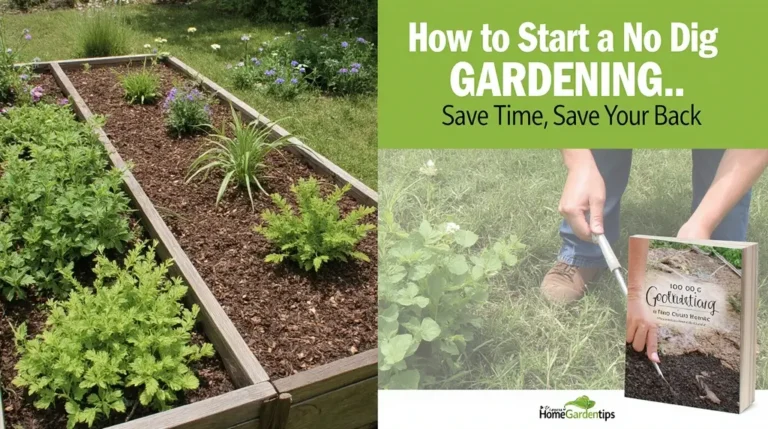
Wall gardens work for tight spaces. Balconies suit people who want traditional gardening. Corners solve decorating problems. Entrances make immediate impressions. Stair areas use wasted space. Furniture integration makes bold statements. For a greener and more environmentally conscious garden, check out our How to Start a no dig gardening: Save Time, Save Your Back.
Start small. One area. A few plants. See what survives your specific conditions and care habits. Then expand if you want.
Indoor gardens evolve. You’ll learn which plants thrive in your home’s particular light, temperature, and humidity. You’ll figure out your watering rhythm. Some plants won’t make it—that’s normal, not failure.
The goal isn’t perfection. It’s bringing some green into your daily environment without making it a second job.
Choose your spot. Get a few plants. Water them. That’s it. Everything else is refinement.
How can I design a garden if I only have a small area at home?
Even a small space can feel lush with the right approach. Using vertical planters, wall-mounted pots, or hanging baskets helps maximize room without crowding the floor. Choosing plants with different heights also adds depth without taking up extra space.