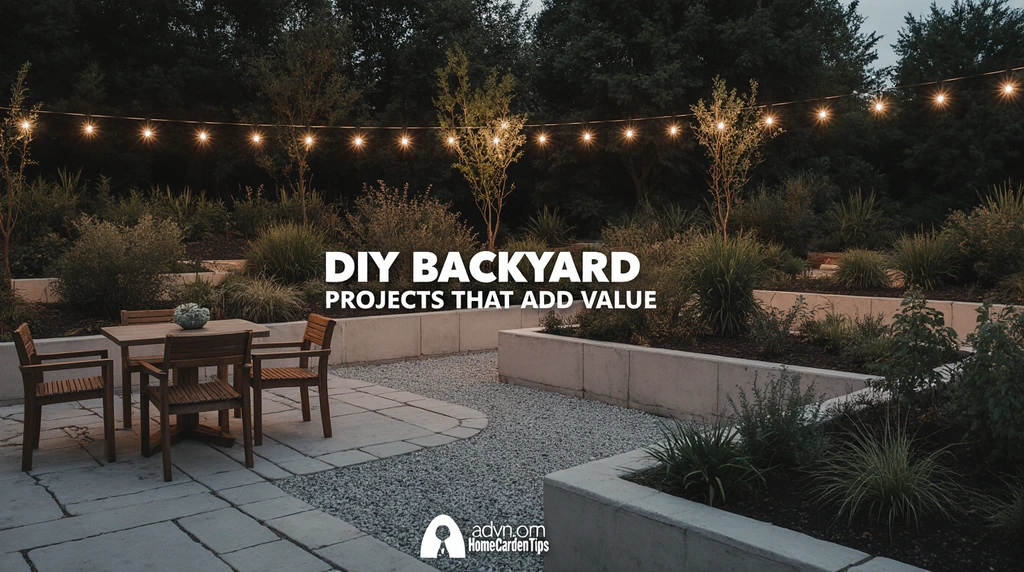
DIY backyard projects that add value Without Renovation
Table of Contents
You don’t need a contractor or a massive budget to turn your backyard into something special. Some of the best outdoor improvements happen with a weekend, basic tools, and a willingness to get your hands dirty.
Here’s what stops most people: the overwhelming feeling that comes with backyard planning. You picture the end result, then immediately start calculating costs and wondering if you’re in over your head. Maybe you’ve already postponed it twice this year.
The truth is, smart backyard upgrades don’t require gutting and rebuilding everything. Small, targeted projects can boost your home’s appeal and market value more than you’d think—without the stress of major construction.
I’m going to walk you through practical improvements that actually matter. These aren’t trendy Pinterest projects that fall apart after one season. They’re proven upgrades that homeowners complete successfully, and they work whether you’re sprucing up for yourself or prepping to sell. Make your DIY Home Improvement: Upgrade Your Space on a Budget easier and more.
11 Backyard Projects That Won’t Drain Your Savings
1. String Up Some Outdoor Lighting
Lighting changes everything. It’s honestly one of the easiest ways to make your backyard feel finished.
String lights or fairy lights don’t just look nice—they make your patio usable after dark. Hang them from tree branches if you’ve got mature trees, or grab some light poles designed for this purpose. You can find decent outdoor string lights at most home stores or online without spending much.
What I like about pole-mounted lights is flexibility. Need romantic lighting for dinner? Space them one way. Hosting a party? Reconfigure them. It takes minutes.
In most cases, buyers notice outdoor lighting immediately during evening showings. It’s one of those small details that sticks with people.
2. Build Seating from Wood Pallets
Pallets get a lot of attention in DIY circles, and for good reason—they’re cheap (often free) and surprisingly sturdy once you clean them up.
You can turn them into outdoor furniture that looks intentional, not makeshift. Sand off any rough spots, arrange them however works for your space, then load them up with outdoor cushions. The result has that rustic coffeehouse vibe that people pay good money for.
Check with local warehouses, feed stores, or shipping companies. Many are happy to offload pallets. Just make sure they’re heat-treated (look for an HT stamp), not chemically treated.
3. Put In a Fire Pit
There’s something about a fire pit that makes a backyard feel complete. Maybe it’s the campfire nostalgia, or maybe people just like having a reason to gather outside when it gets chilly.
Building one isn’t complicated. You can use concrete pavers, fire bricks, or natural stone arranged in a circle or square. Keep it simple—function beats fancy every time. If you’d rather skip the construction, portable fire pits work fine and you can move them around.
Real estate agents will tell you that fire pits show well. Buyers imagine themselves using it, which is exactly what you want during a home showing.
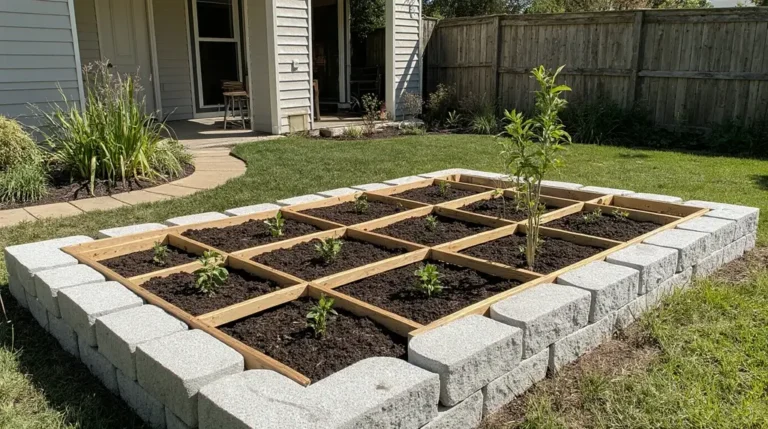
4. Add Raised Garden Beds
Raised beds solve a bunch of problems at once. They drain better than ground-level planting, keep weeds manageable, and save your back during planting season. you might also like our guide on How to Build a Raised Garden Bed on a Budget 2026 easy
You can buy kits that snap together, or build them yourself with scrap lumber, cinder blocks, or whatever you’ve got. The key is creating defined growing spaces that look organized, not random.
Even if you’re not planning to grow vegetables, raised beds filled with flowers or herbs add structure to a yard. They show that someone’s been paying attention to the landscaping.
5. Go Vertical with Your Plants
When you’re short on space, grow up instead of out.
Vertical gardens work with repurposed pallets, wall-mounted planters, or simple trellises. You can grow trailing flowers, herbs, or climbing vegetables like tomatoes and cucumbers. It’s practical and visually interesting—bare walls or fences suddenly have purpose.
This approach works especially well in smaller yards where every square foot counts. You’re making use of space that would otherwise sit empty.
6. Install a Trellis or Arbor
Arbors and trellises add height and a bit of romance to a garden. Train climbing roses, jasmine, or grapevines over them and you’ve created something that looks established, even if you just built it last month.
Use them to mark entrances, create natural privacy screens, or just break up long fence lines. Wood versions are straightforward to build. If carpentry isn’t your thing, metal ones assemble quickly.
People respond to architectural elements in gardens. It signals that thought went into the design, not just random planting.
7. Paint a Fence or Statement Wall
Fresh paint fixes a lot. A tired fence gets new life with a couple coats of bold color.
Pick something that complements your house but doesn’t blend into nothing. Deep blues, charcoal grays, or even black can look surprisingly good outdoors. If you’re feeling creative, add a mural or stenciled quote—just keep it tasteful.
Painting is one of those projects where the before-and-after photos look dramatic, but the actual work is straightforward. The impact-to-effort ratio is hard to beat.
8. Lay Down a Gravel or Mulch Path
Paths do more than get you from point A to point B—they organize your yard and make it feel intentional.
Gravel works well for a clean, modern look and drains perfectly. Mulch feels softer underfoot and has that organic, wooded vibe. Both are cheap and easy to install yourself.
Edge your paths with landscape timbers, bricks, or stones so they stay neat. Connect your patio to garden beds, seating areas, or wherever people naturally walk. You’ll be surprised how much more “finished” your yard looks.
9. Create a Small Zen Garden
Zen gardens aren’t just for meditation enthusiasts. They’re low-maintenance corners that add calm to a busy yard.
All you need is a quiet spot, some rocks, gravel or sand, and minimal planting. Arrange rocks deliberately, rake patterns into the sand, add a bamboo plant or two. The whole point is simplicity.
This kind of space stands out because most yards don’t have it. During showings, buyers remember unique features—and a peaceful corner definitely qualifies.
10. Add a Water Feature
Water in motion catches attention. Even a small fountain changes the whole feel of a space.
You don’t need a koi pond. A simple bubbling fountain, a small waterfall setup, or even a birdbath with a solar pump can work. The sound masks traffic noise and attracts birds, which is a nice bonus.
Solar-powered options skip the electrical work entirely. Set it up, fill it, done. The return on this investment, both in enjoyment and resale appeal, tends to surprise people.
11. Hang a Hammock or Swing
If you’ve got two sturdy trees at the right distance, you’ve got a hammock spot. No trees? Freestanding hammock frames or porch swings work just as well. A similar DIY idea that many readers loved is our post about DIY Vertical Garden Ideas for Small Spaces.
This is about creating a place where people actually want to hang out. Reading, napping, watching the clouds—whatever. It’s that lifestyle element that makes a house feel like a home.
When buyers tour properties, they’re imagining their life there. A hammock or swing planted in a shady corner helps them do exactly that.
Common Questions About Budget Backyard Upgrades
How do I create usable outdoor space without spending a fortune?
Focus on the basics first. Seating, lighting, and a clean layout will get you 80% of the way there.
Repurpose what you can—pallets for furniture, reclaimed wood for projects. DIY the simple stuff like hanging lights or spreading gravel. Save your budget for materials that matter, like quality outdoor cushions or decent paint.
The goal is extending your living space outside. You don’t need fancy; you need functional and inviting.
What’s the cheapest way to cover bare dirt?
Mulch is probably your best bet for most situations. It looks good, feeds the soil as it breaks down, and keeps weeds in check. Wood chips run a close second and last longer.
Gravel works great for paths or areas where you want permanent, low-maintenance coverage. For bigger patches, consider artificial turf or outdoor carpet—it costs more upfront but eliminates ongoing maintenance.
Raised beds are another option. They cover ground while giving you planting space, so you’re solving two problems at once.
How do I get rid of excess dirt cheaply?
Small amounts? Shovel it into a wheelbarrow and haul it where you need it.
For larger quantities, try posting on community boards or Nextdoor. Gardeners and landscapers often need fill dirt and will pick it up for free. Some construction companies will take it too, especially if you’re close to their job sites.
Worst case, you might pay a small hauling fee, but it’s usually less than you’d think if you can make the dirt accessible for loading.
What’s the fastest way to improve my backyard on a tight budget?
Clean it up first. Seriously—mow, edge, trim overgrowth, and haul away junk. A tidy yard automatically looks 50% better.
Then hit the high-visibility stuff: paint that fence, add lights, define your spaces with paths or borders. These changes show immediately and cost relatively little.
Skip anything that needs ongoing expensive maintenance. You want improvements that hold up with normal care, not projects that create new headaches.
Final Thoughts
Good backyard improvements don’t announce themselves with price tags. They just make the space work better and look intentional.
You can tackle these projects over a few weekends without hiring anyone or financing a renovation. Some will take an afternoon; others might spread over a couple days. But none of them require specialized skills or contractor-level budgets.
Pick what makes sense for your yard and your actual budget—not some idealized version where money doesn’t matter. Start with one or two projects. Finish them properly. Then move on to the next.
Your backyard doesn’t need to be magazine-perfect. It just needs to be a place where you want to spend time, and eventually, a space that helps your home stand out when it’s time to sell.
The materials are at the hardware store. The instructions are everywhere online. What you’re really deciding is whether to keep putting it off or to just start.
Can small backyard upgrades really increase home value?
Yes, even simple outdoor improvements can make a strong impression. Clean, usable outdoor spaces help buyers imagine spending time there, which often boosts perceived value. You don’t need major construction to make a difference.