Front Porch Landscaping: Simple Touches for Big Impact
Table of Contents
Why Your Home’s First Impression Actually Matters
Curb appeal is just a fancy way of saying how your home looks from the street. And while it might seem superficial, it’s one of the smartest investments you can make in your property.
Here’s something that might surprise you: well-planned landscaping doesn’t just make your house prettier. It makes outdoor spaces genuinely more useful, more inviting, and—this is the part that gets everyone’s attention—more valuable.
The research backs this up in ways that are hard to ignore. REALTOR Magazine found that good landscaping bumps sale prices by about 7% on average. Michigan State University put the perceived value increase somewhere between 5% and 11%. The Associated Landscape Contractors of America and the American Society of Landscape Architects have tracked ROI figures ranging from 14% all the way up to 20%.
And there’s one more number worth knowing: homes with solid curb appeal can sell up to six weeks faster. When you’re ready to move, that’s time you get back.
Start with What Stays: Hardscaping First
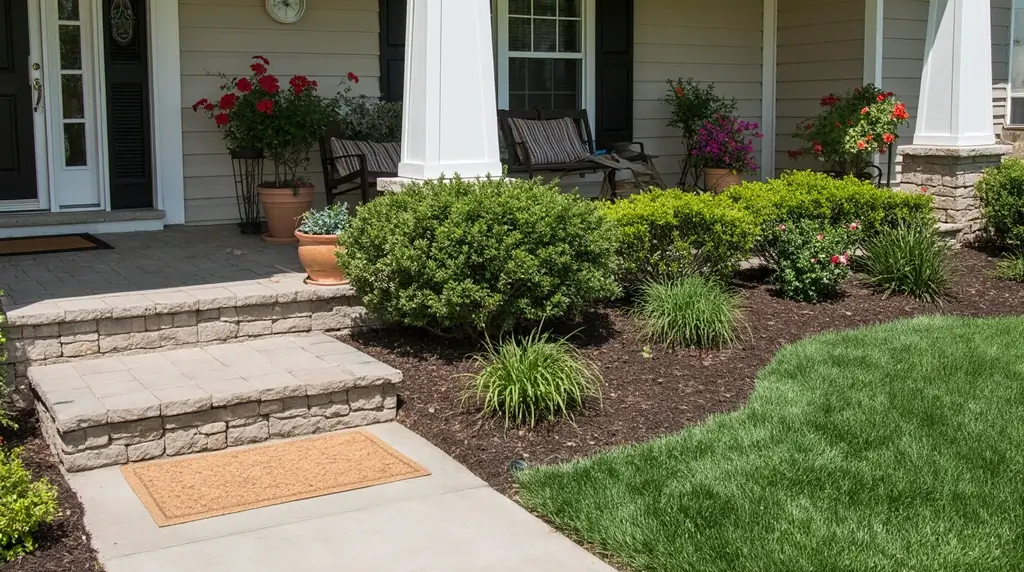
If you’re wondering where to begin with front porch landscaping, here’s what most professionals will tell you: start with the permanent stuff. Hardscaping—walkways, edging, raised beds—forms the bones of your design. Get those right, and everything else falls into place easier.
Your Walkway Matters More Than You Think
Most builder-grade walkways are too narrow. Aim for at least 36 inches wide, but 42 to 54 inches is better. Why? Because two people should be able to walk to your door side-by-side without doing an awkward single-file march.
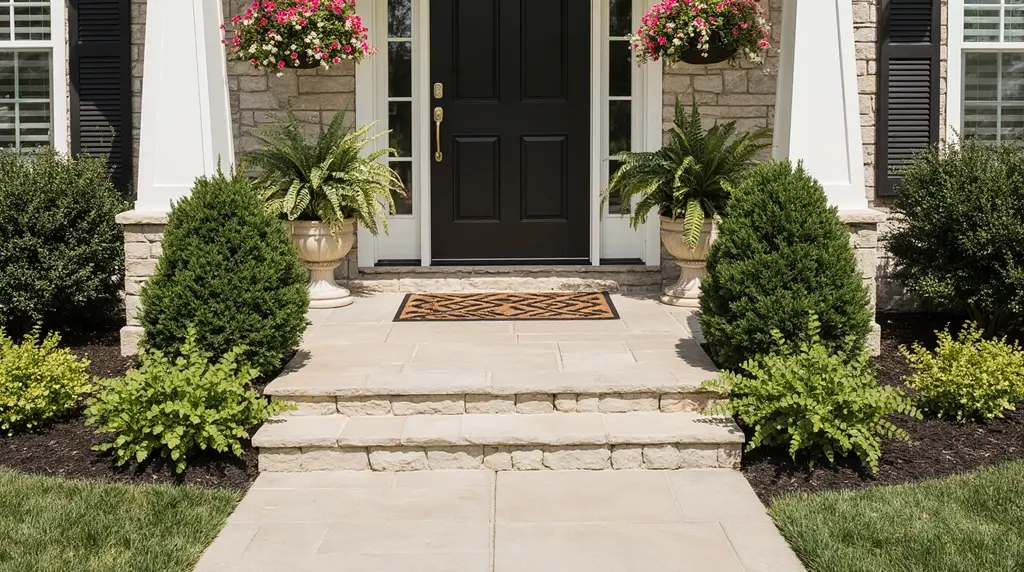
Concrete and asphalt are fine, but pavers or natural stone make a noticeable difference. They last longer, look better, and give you options for patterns that actually reflect your style. Some homeowners even work their house numbers into the walkway design.
Your entryway itself needs a proper landing—a spot big enough for two people to stand comfortably, ideally with some overhead protection. It seems obvious until you realize how many front stoops leave guests huddled in the rain or squeezed into a tight corner.
When it comes to the path layout, follow how people naturally walk. Curves are nice when they make sense, but don’t force them. A straight shot to the door is often the most practical choice.
One more thing: if your driveway is cracked or stained, consider upgrading to pavers. You’ll eliminate years of crack-filling and resurfacing headaches.
Clean Lines with Edging and Raised Beds
Sharp edges between your lawn and planting beds make everything look more intentional. Use something permanent—concrete curbing, flagstone, brick, or landscape timbers. Front Yard Landscaping Ideas It’s a simple detail that makes a big visual difference.
Raised beds work especially well near the porch. Keep them bottomless so roots can grow deep, and use them for plants you want to highlight. Annuals like petunias or vinca give you months of continuous color without much fuss.
Planting That Actually Works
Keep It Simple, Keep It Unified
One of the biggest mistakes people make? Planting one of everything. Several plants of the same type grouped together will always look better than a random assortment of singles.
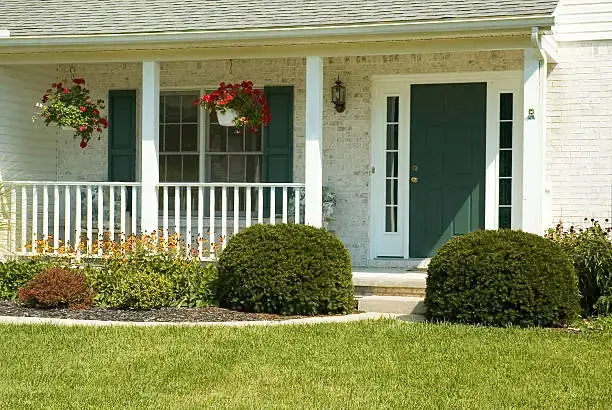
Stick with a limited color palette. If your shutters are dark green, repeat that color somewhere in your plantings or pots. If your house has warm brick tones, choose flowers that complement rather than clash. The goal is to make the house and landscape feel like they belong together.
Layering adds depth without complexity:
- Evergreens in back for year-round structure
- Mid-sized flowering shrubs in the middle
- Annuals or perennials up front for seasonal interest
- Ornamental grasses for texture and movement
Trees and Shrubs: The Big Decisions
Trees are investments—both in time and money. Place them carefully.
Flanking your house with taller trees frames the structure and softens hard rooflines. It’s one of the most effective ways to make a house feel settled into its surroundings rather than just plopped on a lot.
For accent trees—think Japanese maples or dwarf fruit trees—position them between the street and your house where they’ll catch attention. These become focal points that give your property personality.
Foundation plantings should soften the transition between house and ground, not hide the house entirely. You want to complement your home’s architecture, not bury it.
Make It Easier on Yourself
Drought-tolerant plants suited to your region will save you time, money, and water. There’s no point fighting your climate when so many beautiful options already thrive where you live.
Lawns are resource hogs. If you’re tired of mowing, fertilizing, and watering, consider alternatives like groundcovers or mulched areas. A smaller, well-maintained lawn beats a large, struggling one every time.
Here’s something you don’t see often: edible plants in the front yard. Swiss chard, kale, and asparagus have gorgeous foliage. Mix them into your beds or containers for something different that’s actually useful.
The Porch Itself Deserves Attention

Where Architecture Meets Landscape
Your front porch sits right at the intersection of house and yard. That connection needs to feel deliberate.
Wide steps and open railings help. They prevent the porch from feeling disconnected from the plantings around it. And keep the porch itself uncluttered—nothing kills curb appeal faster than a collection of random stuff piled by the door.
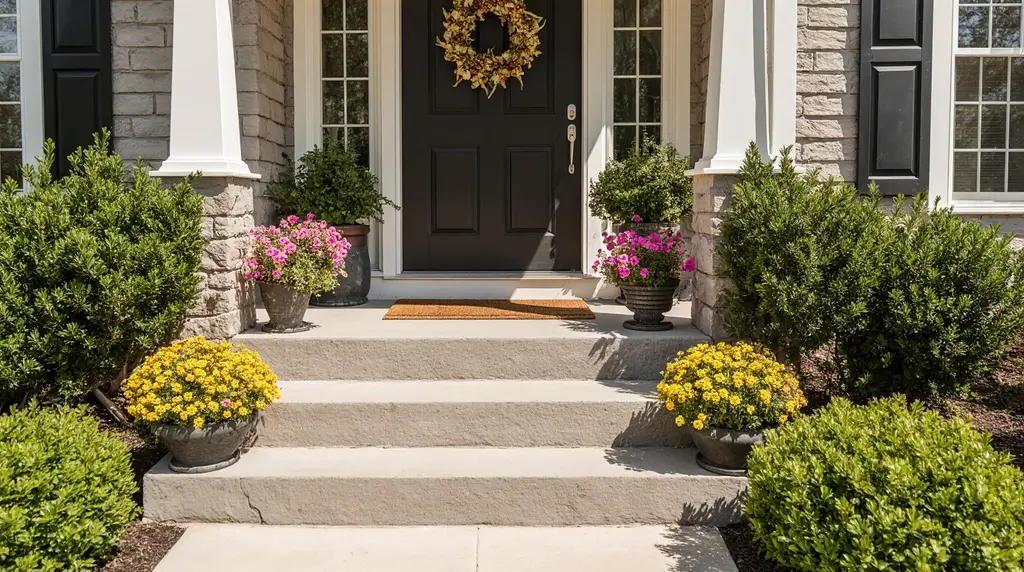
Containers are your best friend here. A few large pots positioned in corners or flanking the entrance work better than a dozen small ones scattered around. Go for fewer, bigger containers. It looks more purposeful.
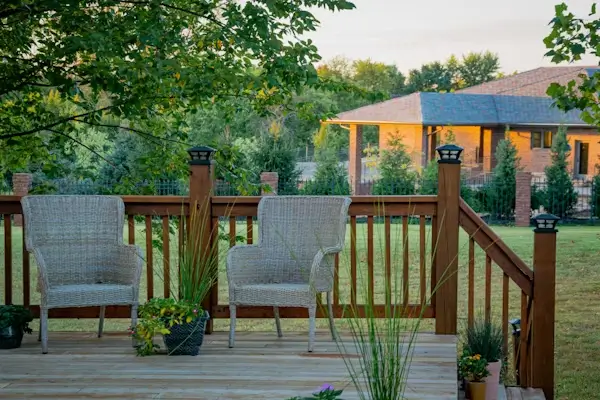
If you’re adding furniture, choose pieces built for weather and make sure there’s still room to move around comfortably. On bigger porches, an outdoor rug can define different zones—a seating area separate from the walking path to the door.
Light It Right
Outdoor lighting serves two purposes: safety and atmosphere. Mark your steps, turns, and doorway clearly so visitors can navigate safely after dark.
Focus on the front door with wall sconces that actually look good. This is your main focal point, so light it like one. Dimmers help—you get the visibility you need without blasting light into the neighborhood.
Consider architectural extras like pillars or a decorative gate if your budget allows. Vertical house numbers, a well-chosen sculpture, or a striking door knocker can add personality without going overboard. Less is more with these accents.
Design Details That Tie Everything Together
The best landscapes create a conversation between house and yard. Maybe your front door is painted a deep red, and you echo that in the bark of a nearby shrub. Or your home’s brick pattern gets repeated in your walkway design.
Symmetry has power. Matching planters on either side of the door, identical lighting fixtures, balanced plantings—these touches signal care and intention.
Vertical elements matter too. Tall trees or columnar evergreens like Italian cypress bridge the gap between horizontal yard and vertical house. They pull the eye up and make everything feel connected.
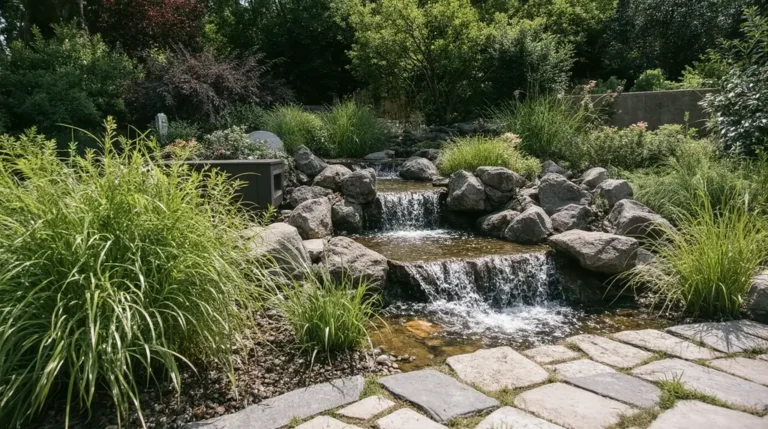
Water features can work near the porch if you position them close enough to hear. The sound adds another layer of calm that plants alone can’t provide.
And always, always consider mature plant size. That cute little shrub at the nursery might swallow your windows in five years. Plan for what it will become, not just what it is now.
Where to Go from Here
Good landscaping pays you back in daily enjoyment and real dollars when you sell. The numbers don’t lie—this is one home improvement that consistently delivers.
Walk out to the street and look at your house like you’re seeing it for the first time. You’ll spot things you’ve stopped noticing from inside.
If this all feels overwhelming, it probably makes sense to talk with a professional before you start. A designer can help you figure out what fits your space, style, and budget. Companies like Yardzen offer online design services that work for clients anywhere, with a focus on plants adapted to your climate and water-smart choices. Explore more from our Garden Design & Landscaping category, starting with Top 10 Landscaping Trends in the US for 2026.
Your entrance sets the tone for your entire home. Make it count.
How can I make my front porch more inviting without a major renovation?
Small updates like adding potted plants, a welcome mat, or cozy seating can transform the space instantly. Even rearranging existing furniture or adding cushions brings warmth and personality. You don’t need to rebuild anything to create a welcoming feel.